編輯:趙雨竹


By Sabrina Lo
Website : https://www.tatlerasia.com/lifestyle/arts/hong-kong-painter-chu-hing-wah-interview

Source:
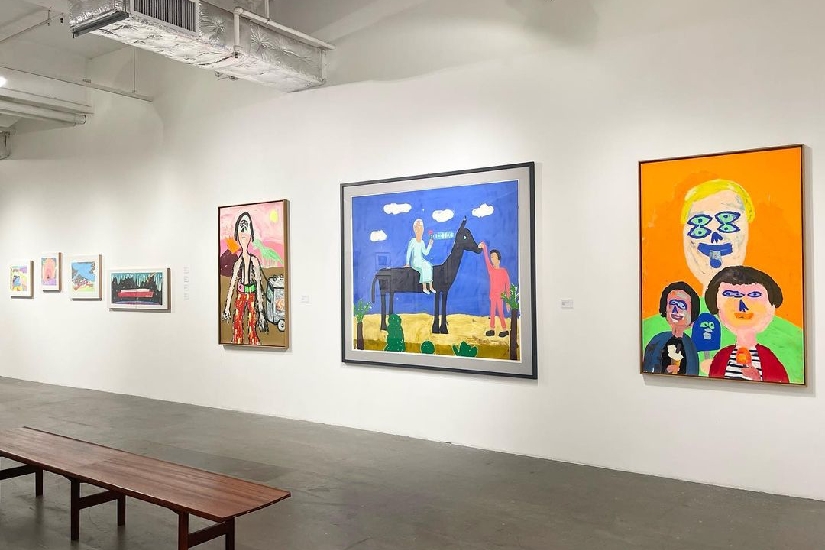
(Facebook) EXHIBITION】90歲畫家朱興華 不間斷創作的「老少年」
(Instagram) EXHIBITION】90歲畫家朱興華 不間斷創作的「老少年」
Enid Tsui
Published: 5:15pm, 23 Feb, 2023
Guangzhou-based art collective Boloho’s series, based on their members’ real-life pandemic struggles, is being screened at Hong Kong’s Hanart TZ Gallery
It is part of a two-month exhibition that gives an interesting insight into the Greater Bay Area art scene and its relationship with Hong Kong
A group of artists in China’s sprawling southern city of Guangzhou felt so let down by the slipped standard of Hong Kong television that they made their own sitcom and brought it to the city.
The series, currently being screened at Hanart TZ Gallery in Kwai Chung, certainly gives the conservative and formulaic programmes that dominate local television a run for their money. Its upbeat title, Bolohope, comes from Boloho, the Cantonese name of the artists’ four-year-old collective, which means the core of a pineapple.
This edible and highly nutritious part of the fruit is too often discarded and underappreciated, an apt symbol for a group practice focused on uncovering values and relationships disregarded by patriarchal and capitalist models.
The Bolohope project was commissioned for 2022’s Documenta 15, one of the most important contemporary art exhibitions in the world, held every five years in Germany.
The curators of Documenta 15 were Indonesian collective Ruangrupa, the first Asian curators of the exhibition, who set collaboration as the theme and also experimented with a non-hierarchical approach to organising the massive event – one which complemented Boloho’s philosophy.
Filming was done in 2022 at Boloho’s regular hang-out in Guangzhou and produced jointly with Reading Room, a group of writers and researchers living and working in the Pearl River Delta region.
The sitcom, interspersed with South Park-style animation depicting the more outlandish scenes, is based on the group’s real-life struggles during the pandemic: commercial work had run out; clients refused to settle bills; parents were nagging them to get a “real” job.
In the story, the group tries to start a restaurant specialising in the traditional Hakka dish called Thunder Tea, but it depends on whether Cat (the real-life co-founder of the group) can wheedle out the recipe from her sharp-tongued and cynical mother.
Putting aside the hilarious nonsensical humour reminiscent of Stephen Chow Sing-chi’s films and fast-paced story development, the three half-hour episodes cover big topics such as surveillance and censorship, alternative family structures, and disappearing urban heritage with wit and sincerity.
These are shown on a loop in a living-room setting at the gallery as part of a large-scale exhibition by the group that also complicates the idea of home and identity – a pertinent theme given the Hong Kong government’s promotion of the city’s integration with a new Greater Bay Area of southern China.
Some works address the sense of loss caused by the shattering of the childhood illusion that the television programmes they watched every day in Guangzhou were not actually for them, but for people living in Hong Kong.
It was when they realised, for example, that forecasts by Freddy the TVB animated weatherman did not apply to where they live; or that Hong Kong viewers did not see the same picture of pine trees that mainland Chinese censors used to block out what they deemed to be sensitive content during the news.
The group claims back ownership of that culture and their childhood memories through the exhibition: by making the sitcom, by setting up a Hong Kong-style cafe that serves pineapple buns – a local favourite – and turning the gallery into a faux TVB daytime television studio with occasional cooking demonstrations (including how to make Thunder Tea) and talk shows.
A large part of their “life is art” practice is about finding a way to survive together and make a living – wun sik, literally “looking for food” in Cantonese – as a community focused on friendship, equality and sharing of resources.
All the artworks were created collectively, murals that are a hodgepodge of memories partly made with fabric offcuts, drawings and animations referring to a shared desire to escape the shackles of art history and old ideologies.
A major influence alluded to via a poster that appears in the sitcom is the late Huang Xiaopeng, an artist who taught some of the Boloho members at university.
The group were a great fit for Documenta 15 and its focus on grass-roots community-building. For 100 days, members of Boloho set up a Cantonese kitchen in the exhibition’s host city of Kassel to share food with visitors – an experience they are replicating in Hong Kong with strong echoes of the relational aesthetics represented by Thai artist Rirkrit Tiravanija’s food-related performances.
As such, it was probably one of the more amiable corners in the German city, during a sometimes fraught event overshadowed by accusations of anti-Semitism.
Documenta 15 prompted heated debates over limits of the freedom of expression in Germany and whether the exhibition marked a failure of a utopian idea of collective decision-making.
Now, Bolohope will continue that discussion.
On March 24, members of Boloho and Reading Room will be joined by special guests Ruangrupa in that faux television studio at Hanart TZ Gallery from 2pm-6pm to chat and eat together in front of a live audience.
Before that, on February 25, the artists will be joined by representatives from Black Window, a Hong Kong vegetarian restaurant.
Enid joined the Post as senior culture writer in 2015 after a long career as a business and politics journalist at the Financial Times, the Nikkei Asian Review, RTHK Radio 3, and the Economist Group in Hong Kong and in London. She returned as the Post’s arts editor in 2020 after taking a year off to pursue a Master’s degree in art history.
Enid Tsui
Vogue Hong Kong
Hong Kong Tatler
黎家怡
https://artouch.com/art-views/art-exhibition/content-82157.html
波利
Press Coverage: 漢雅軒聯乘 MablePrintClay,匯聚 21 位版畫藝術家的多元印刷創作!
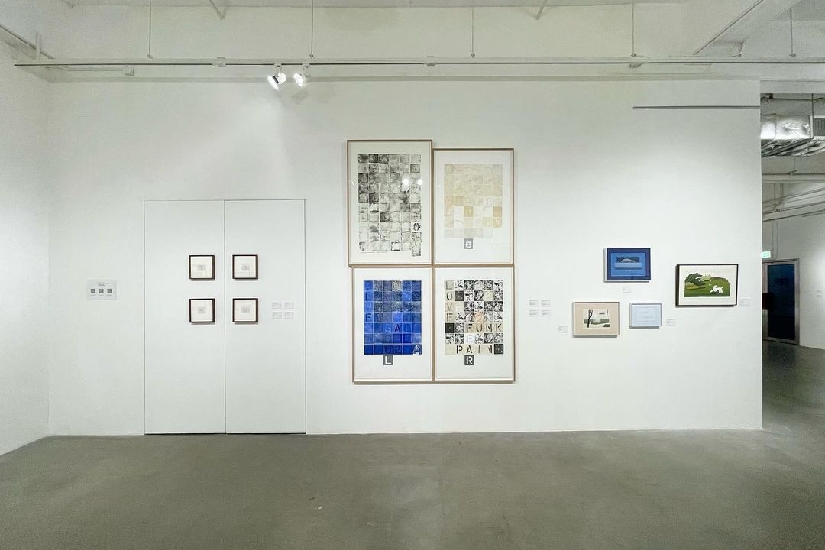
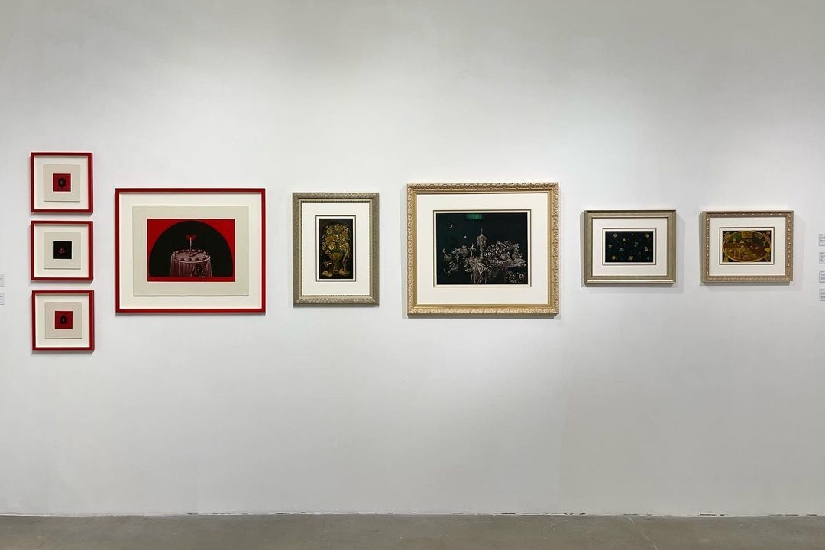
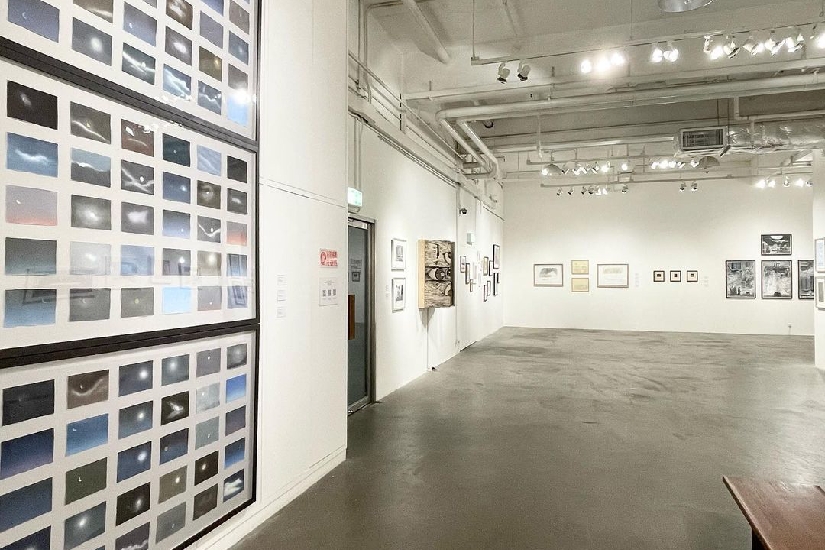
漢雅軒與位於香港的版畫工作室 MablePrintClay 近期帶來藝術企劃,驚喜推出藝術家群展「 Nothin’ Like the Taste of Print」,讓 21 位香港版畫家嶄露頭角!
節目的標題命名為 「Nothing’ Like the Taste of Print」,引起了人們對「印刷」一詞本身的技術語義的關注。在廣大公眾中,有時會有一種誤解,認為美術版畫僅次於繪畫等媒介,因為它們是「複製品」,而不是繪畫那樣的「原件」。打個比方,版畫有時被視為中國宴會上的配菜:無論味道多好,它們都只是主菜的「配角」。
然而,儘管版畫涉及復製圖像,但美術版畫不僅僅是原件的複製品:它完全是另外一回事。版畫師在技術和規劃方面非常熟練,他們也是極具創造力的藝術家,尤其當中的限量版畫更是珍稀的藝術藏品。
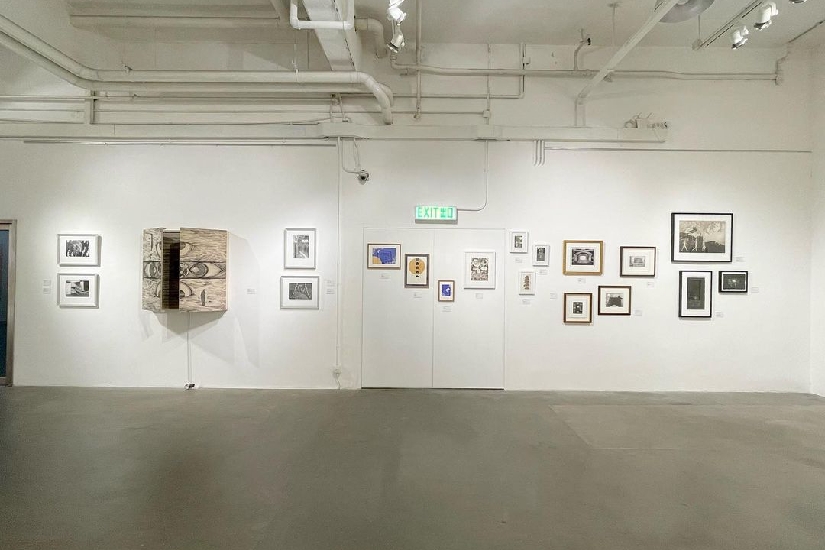
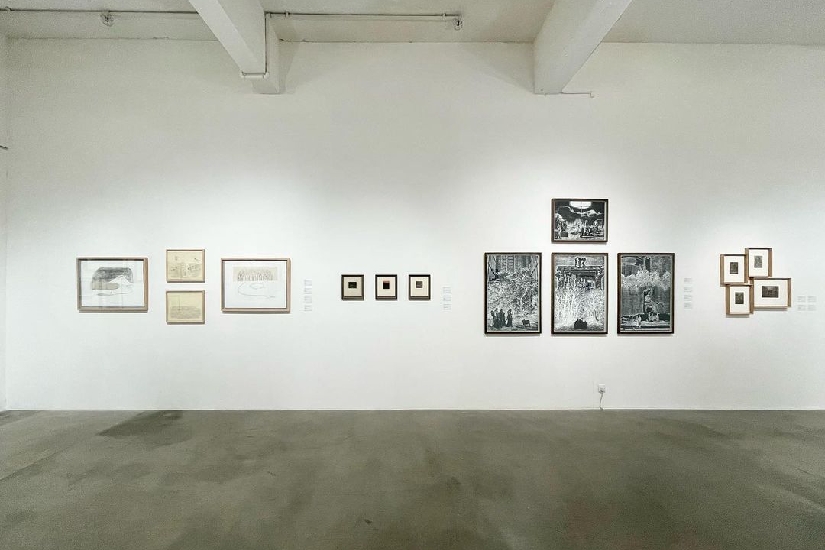
今次展覽突出了不同版畫風格的獨特品質,包括浮雕、凹版和模板。浮雕技術由於其動態性質和植根於各種傳統,幾個世紀以來一直具有相關性。在 20 世紀初新中國木刻運動的重要影響下,該運動促進了現實主義木刻的創作和傳播,以突出社會和政治不公正的問題。
今次參展藝術家從中國藝術史上的這一開創性運動中汲取靈感,詳細闡述了木刻版畫作為社會批判的用途。 其中一些木刻系列是對想像中的極權主義殖民地的視覺宣傳的生態政治諷刺。有些作品則以新中國木刻運動的表現主義風格為基礎,帶來單色但光芒四射的木刻創作。
想欣賞不同類型的版畫創作的話,推薦大家到場觀賞!
「 Nothin’ Like the Taste of Print」
日期:即日起至 8 月 13 日
時間:上午 10 時至下午 6 時半
地點:漢雅軒 葵涌工業街17-21號美安工業大廈2/F
Ruby Yiu
20220629_Ztylez_漢雅軒聯乘-MablePrintClay,匯聚-21-位版畫藝術家的多元印刷創作!Download