


Opening Reception
Wednesday, 7 December 2016, 6-8pm
Exhibition Period
7 December 2016 – 7 January 2017
Hanart TZ Gallery
401 Pedder Building, 12 Pedder Street, Central, Hong Kong
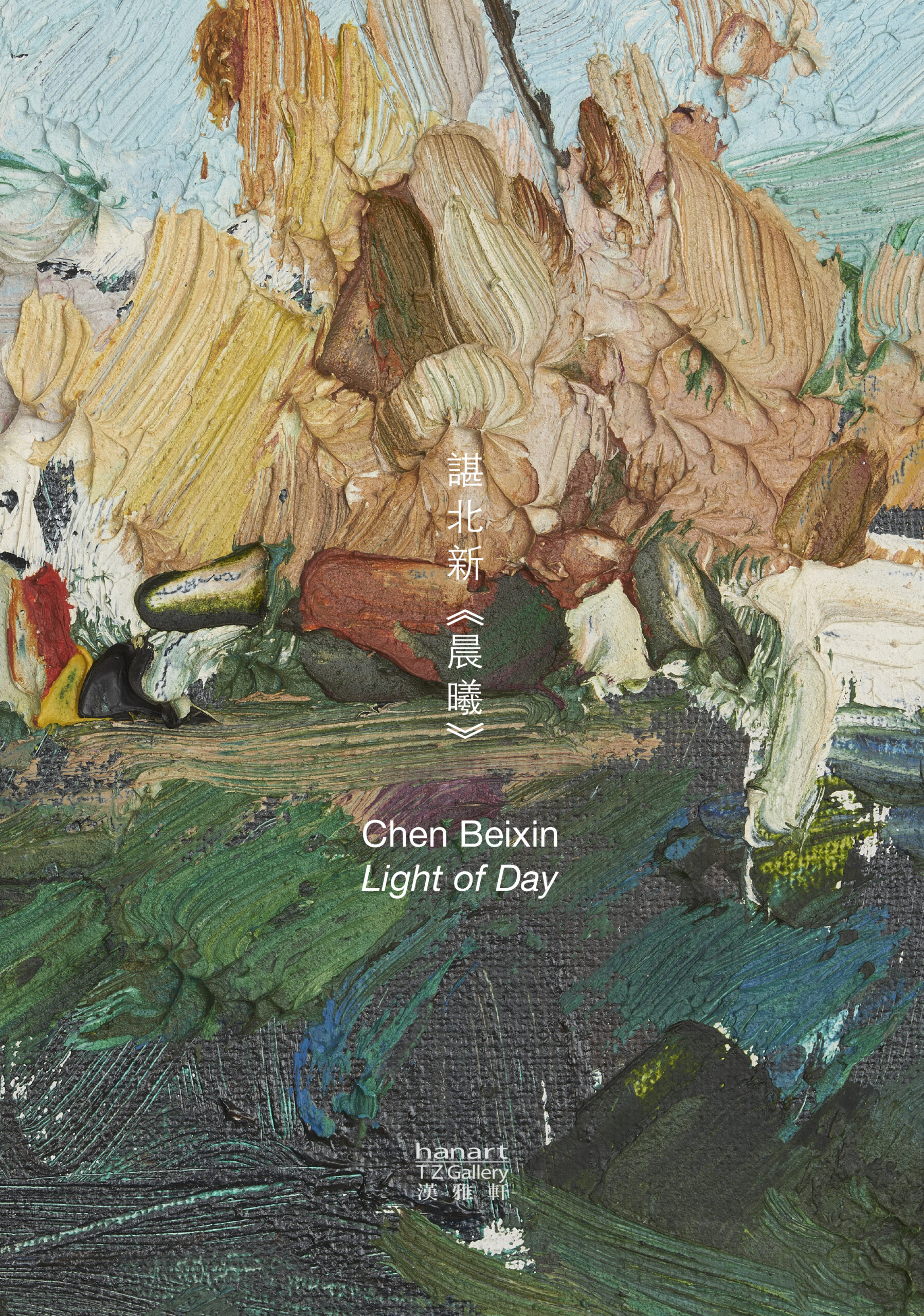
Chen Beixin: Light of Day
The opening reception of Expressionist oil painting master Chen Beixin’s solo exhibition Light of Day will take place on Wednesday, 7 December 2016, from 6-8pm, at Hanart TZ Gallery. The exhibition will feature more than 30 oil paintings created from 2005 to 2014.
Chen Beixin began his studies in oil painting in the late 1940s under Xu Beihong, and became one of the first graduates of the Central Academy of Fine Art. In 1955 Chen was one of only 21 artists invited to take part in the legendary oil painting training course under the tutelage of K.M. Maximov (1913-1993). Maximov, recipient of the Stalin Prize and professor of the Sulikov Art Institute in Moscow, was assigned to Beijing as a Soviet expert to assist in China’s modernisation. After Mao Zedong severed relations with Stalin in 1958, cultural exchange between China and the Soviet Union was effectively terminated. As China entered a period of political isolation, this two-year course came to be the only formal training programme offered to Chinese oil painters by foreign experts for more than three decades. The elite group of students trained in Maximov’s oil painting course thereupon became the sole interpreters of Western orthodox oil painting in China, and the course became and still remains even today the prototype of oil painting training for all Chinese art academies. History has assigned far greater significance to this two-year programme than anyone imagined at the time, and Chen Beixin unwittingly became one of the major proponents of its technical and stylistic vocabularies.
Chen Beixin was assigned to work in Xi’an after his training and as a result was absent from the centre of art politics during the tumultuous years of Mao Zedong’s political campaigns. In Xi’an Chen developed in a direction quite different from that of his Beijing peers. He became a landscapist, an anomaly for a Socialist artist. Even in 1955 he had impressed Maximov with his skills in landscape painting and was encouraged to develop in this direction, which released him from assignments of figurative art—and he was the only artist in the training course to have that privilege. For his official assignments of thematic paintings of political and historical subjects, Chen used his skills as a landscapist in collaboration with fellow artists. Over the years his landscape art has evolved into a highly personal and spontaneous expression; it is as satisfyingly well controlled as calligraphy, and as exuberant and explosive as the spontaneous expressions of a child given his first box of colour paints.
Like many of the first generation of students of the Central Art Academy, Chen comes from a privileged intellectual background. His maternal uncles include the famous calligrapher Shen Yinmo, philologist Shen Jianshi and scholar Shen Shiyuan, and he can count as family friends many of the famous intellectuals of the Republican era. As a trained calligrapher, his proficiency with the painting brush has a range of fine expressive shades not usually found in oil painting. His boldness with brush movement and structure of form exceeds even that of artists of the Sunlight movement of Russia or the French Impressionist movement. The tempo and flow of his brushwork is an aesthetic pleasure in itself, creating rhythmic patterns that make the world dance and scintillate. There is no wasted brushwork: every detail suggests possibilities for further reading. The viewer is invited to step forward and enjoy the rich textures and complex brush play; he is also pushed away by the intricacy of details that only reveal the structure and figures at a distance. Chen is particularly outstanding among Chinese artists as a colourist; he achieves translucency and fluidity with his colours, bringing alive the forms, giving character to the density. In his painting there is no division between form and colour, volume and brush mark.
I was first introduced to Chen Beixin’s art through his student Qiu Shihua. In 1996, when Qiu was preparing for his major solo exhibition at the Sao Paulo Biennial—the show that was to launch his international career–he insisted that I visit his teacher in Xi’an. Chen Beixin’s paintings were more impressive than I imagined, and they gave such immediate aesthetic satisfaction that I was mesmerised. I now also better understood the aesthetic lineage from which Qiu Shihua’s art developed. In Chen Beixin’s paintings I recognised the precision with which the artist grasps a vision, and the special artistic touch that is able to transform an ordinary view. The process by which a view becomes re-invented and transformed into a personal vision is not an abstract spiritual exercise, but rests in the ability to bring forth the hidden magic in ordinary experience; and it reveals the cultivation that subdues the artist’s soul as he enters into the realm of his art. Since the 1990s Chen spent a fair amount of time working in California where some of his family lives; in recent years he has again relocated back to Xi’an and Beijing where he is enjoying deserved recognition of his achievement. I appreciate the good fortune of being allowed to bring a collection of master Chen’s art to the public in Hong Kong, and I hope this will be an experience equally rewarding for the artist.
Chang Tsong-Zung

Sheltering Harbour No.7
2012
Oil on canvas
120 x 80 cm
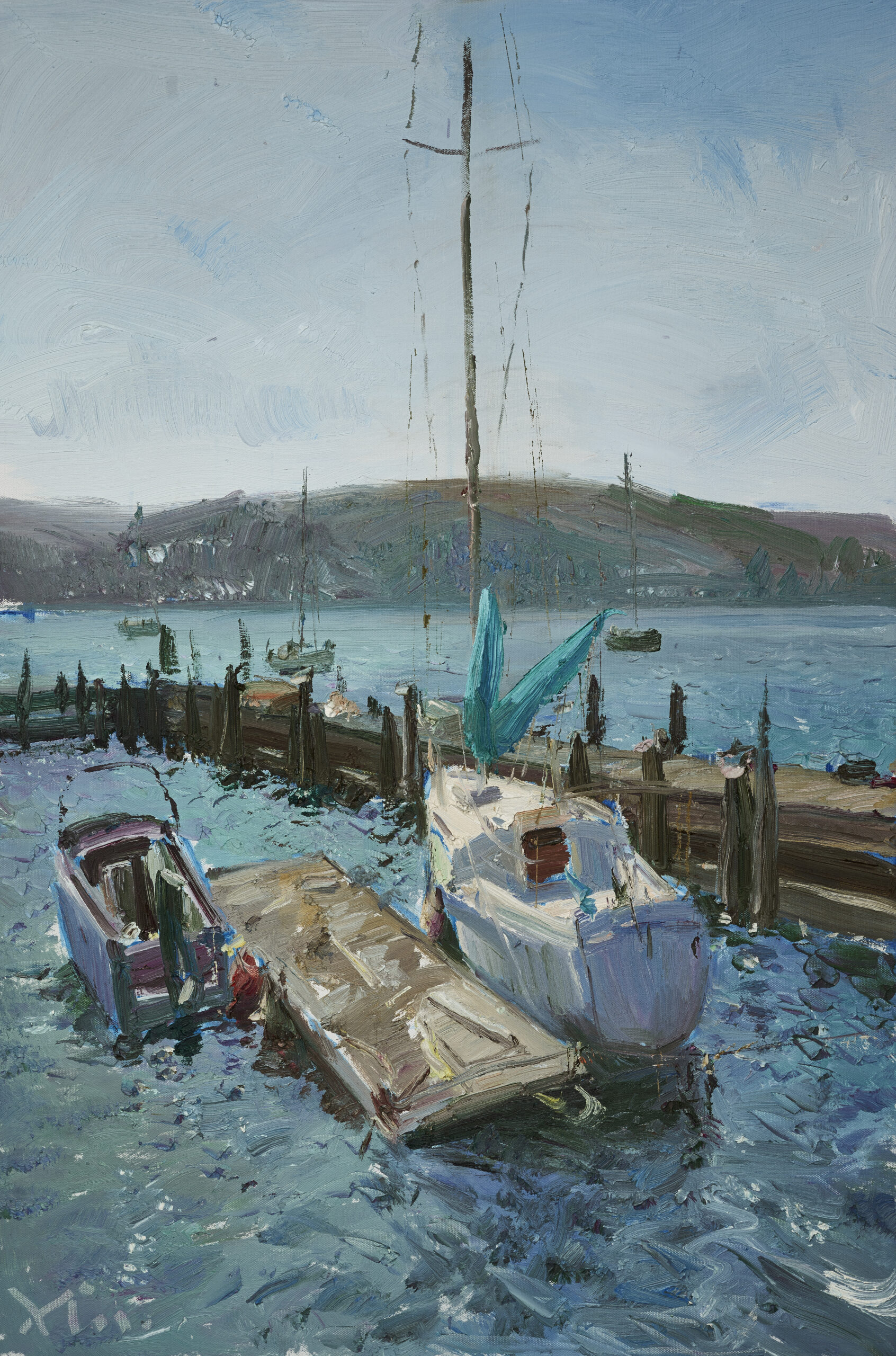
Sheltering Harbour
2013
Oil on canvas
120 x 80 cm
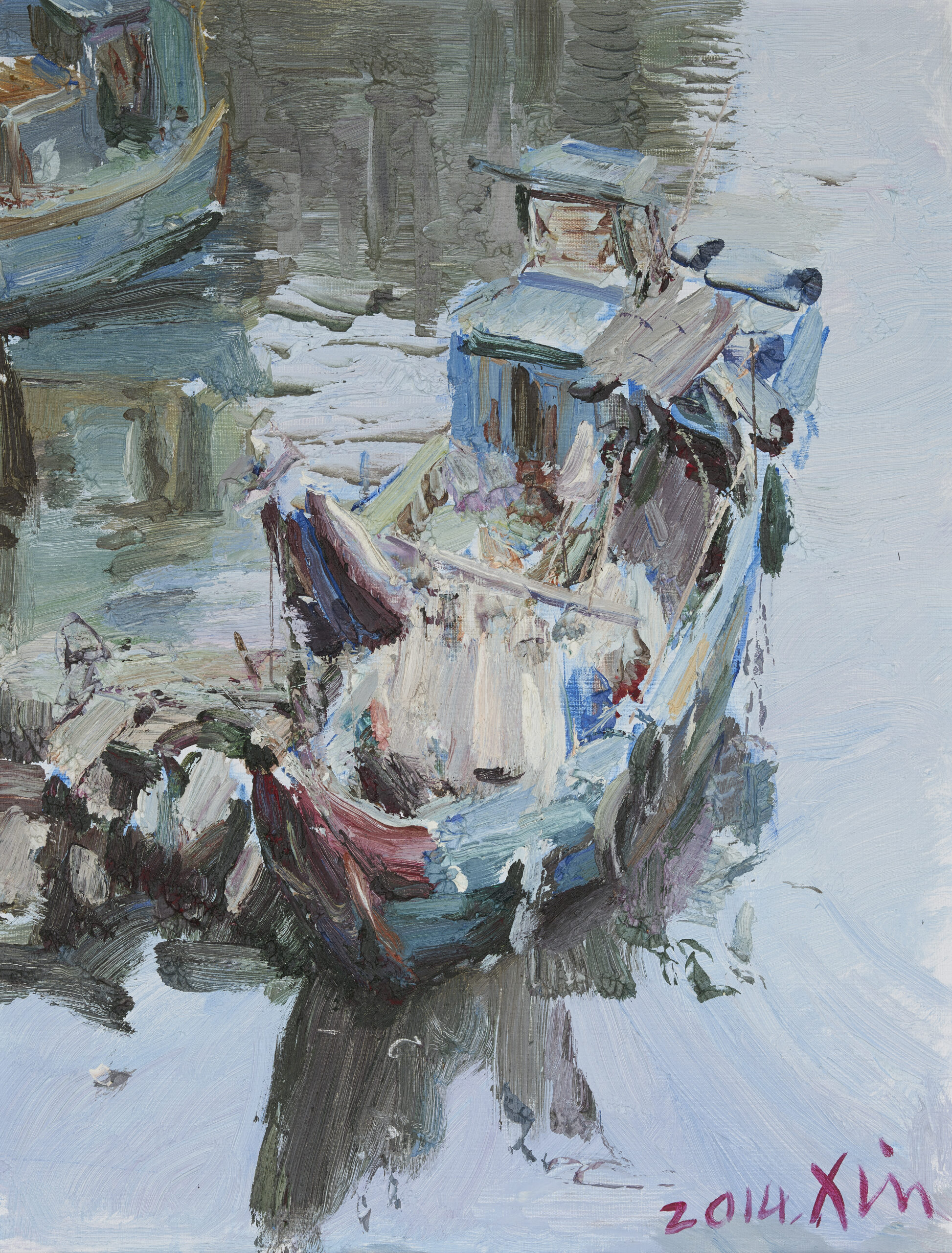
Return to Harbour
2014
Oil on canvas
60 x 50 cm
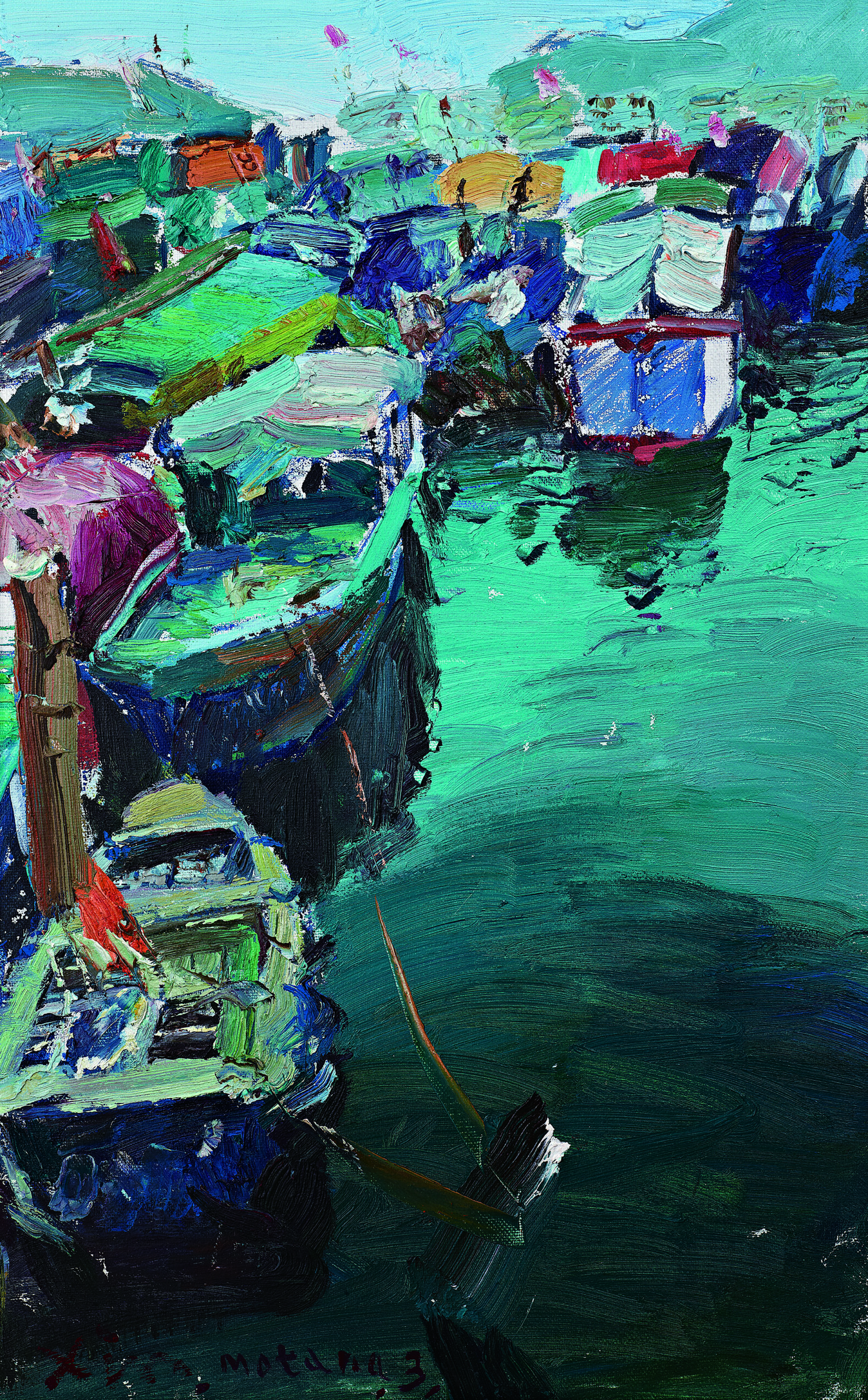
Fishing Harbour
2013
Oil on canvas
78 x 50 cm
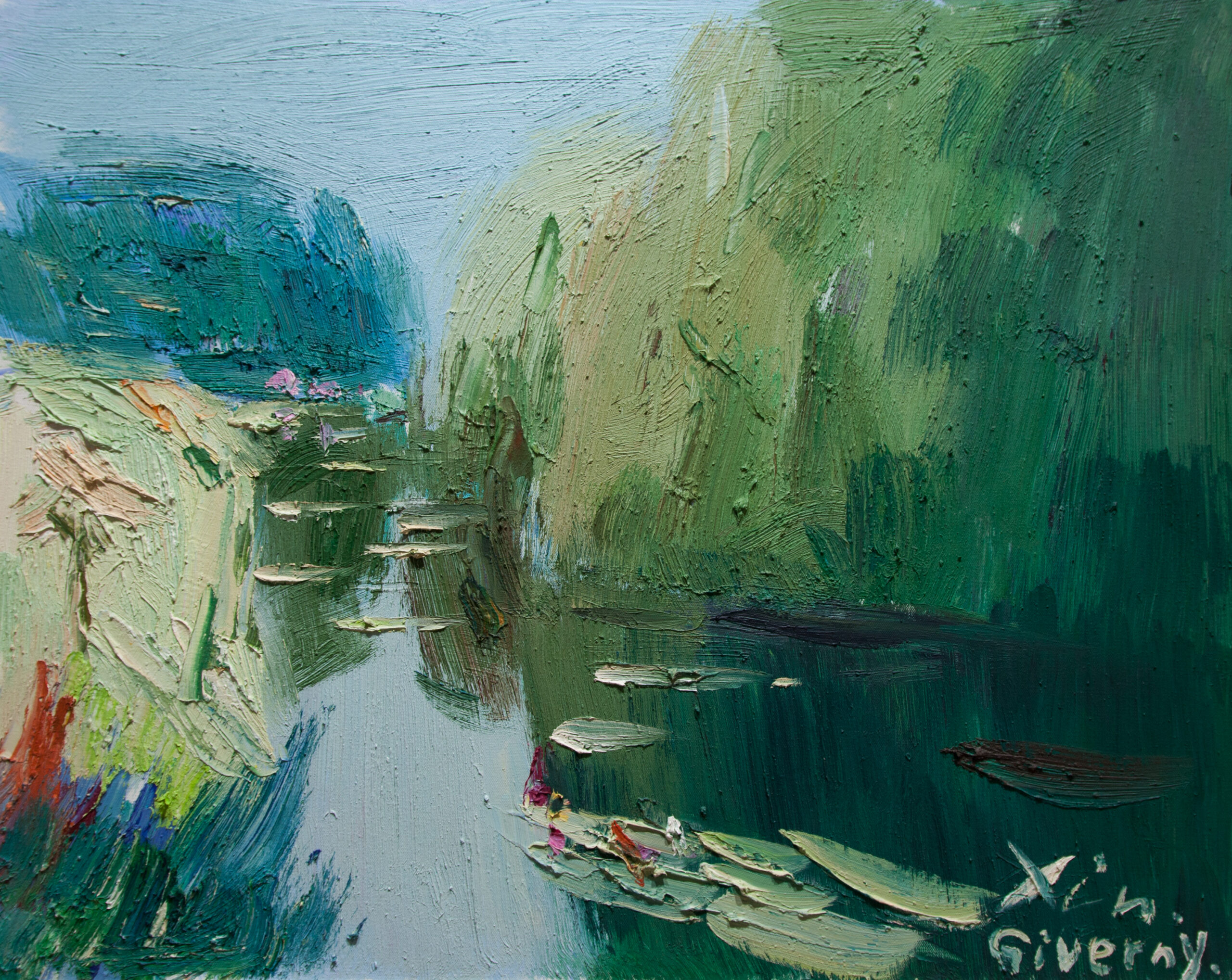
Giverny
2012
Oil on canvas
80 x 100 cm
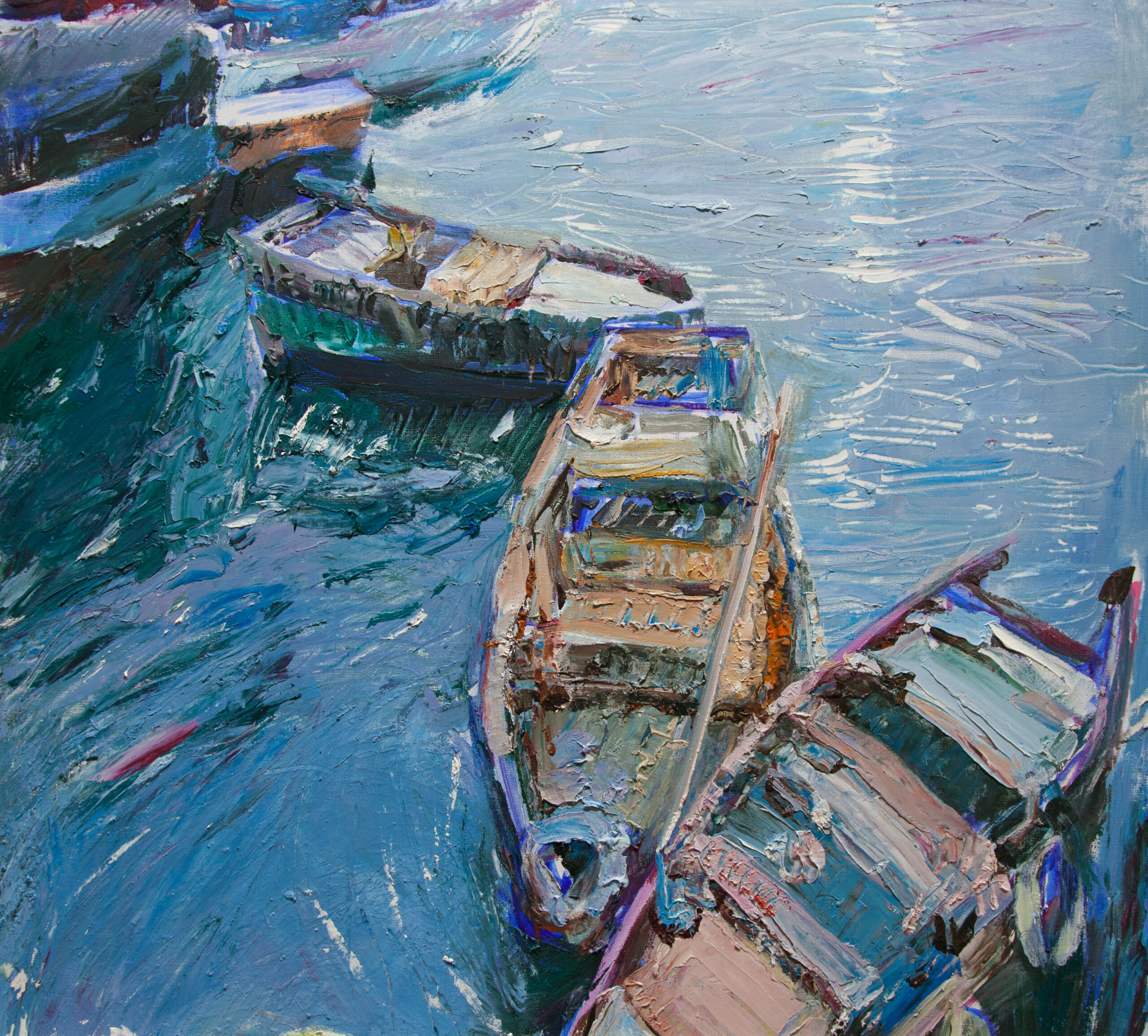
Ferryboat
2014
Oil on canvas
82 x 90 cm
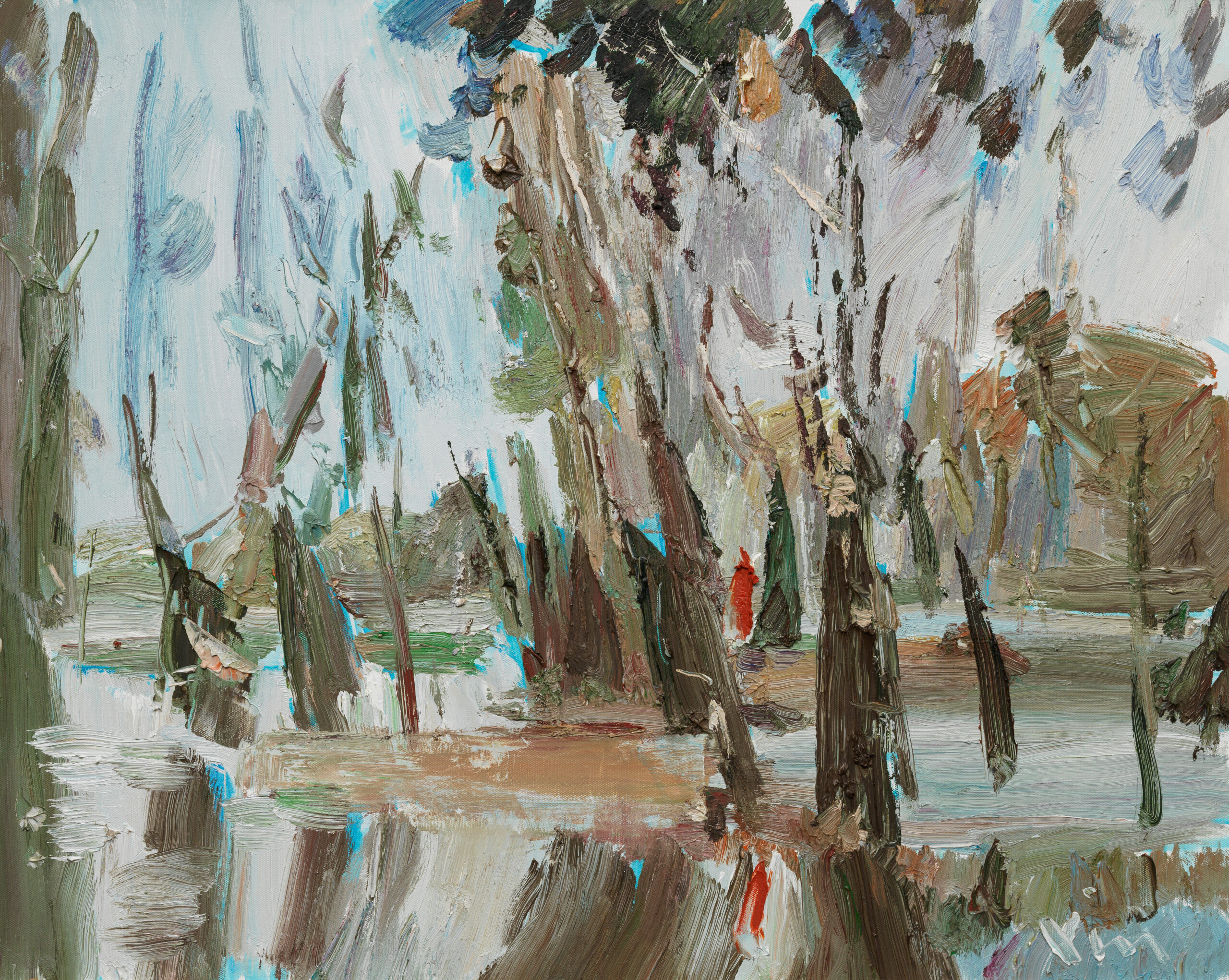
Zephyr
2013
Oil on canvas
80 x 100 cm
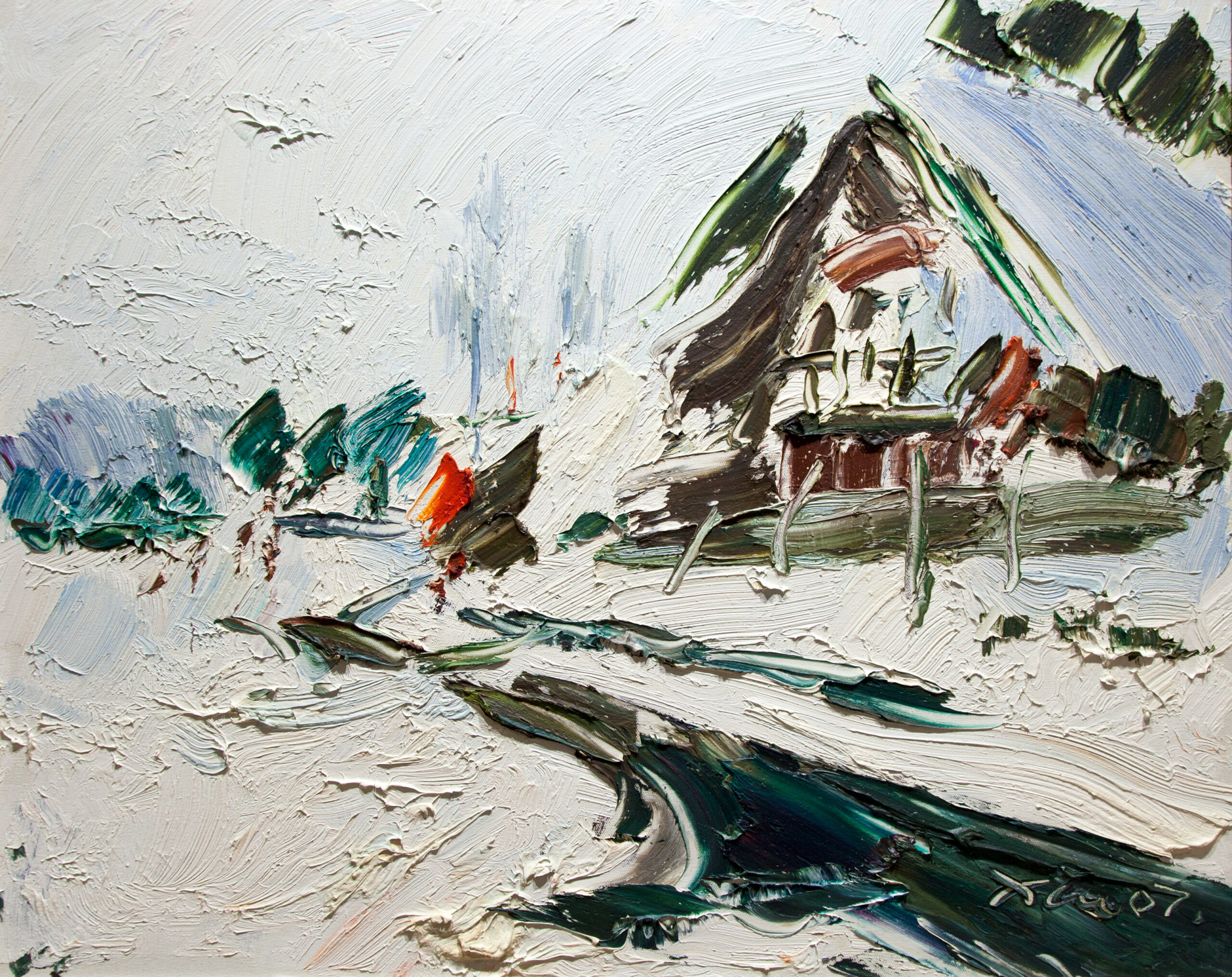
Chalet in the Snow
2008
Oil on canvas
80 x 100 cm
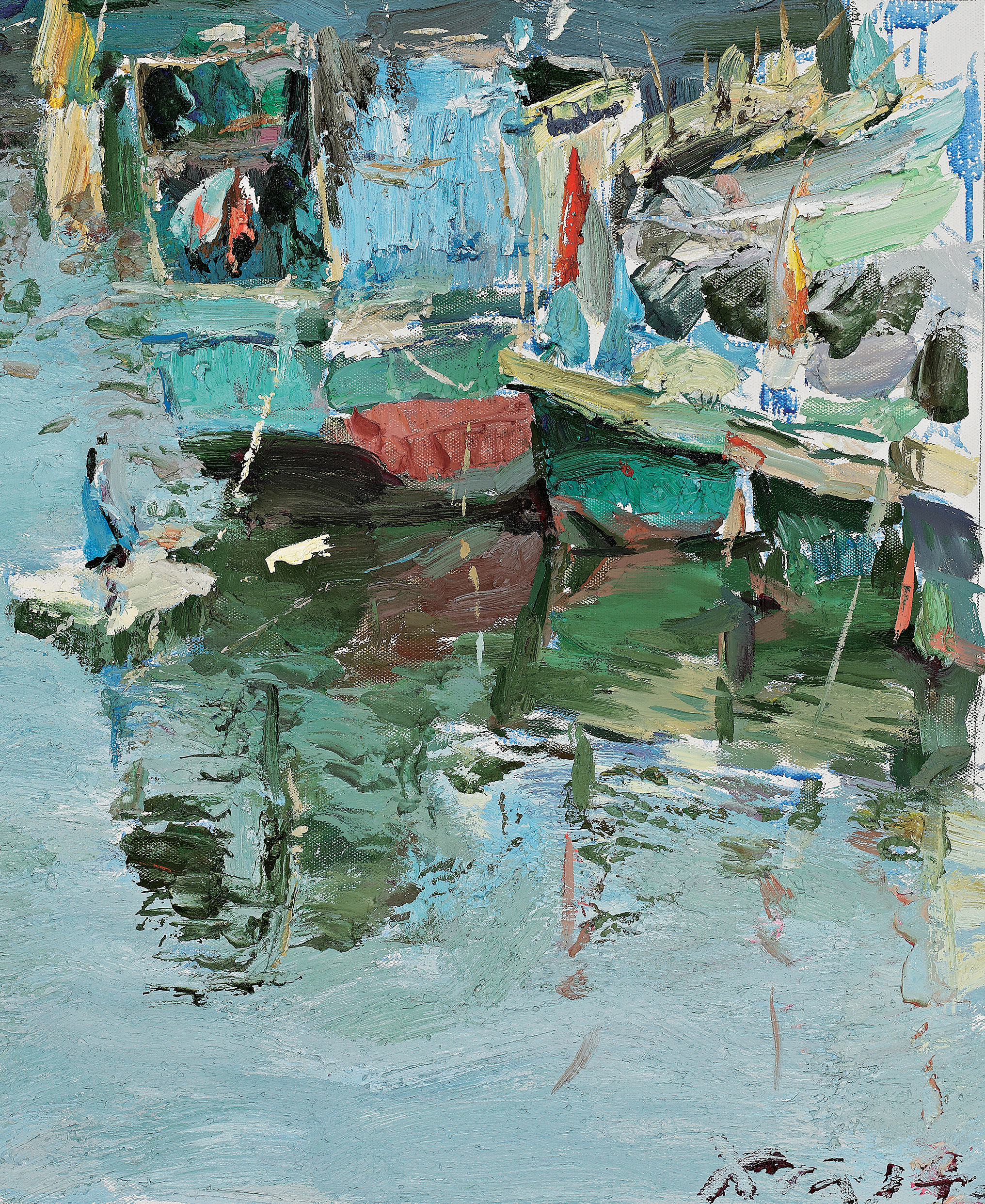
Back from Fishing No. 1
2014
Oil on canvas
60 x 50 cm
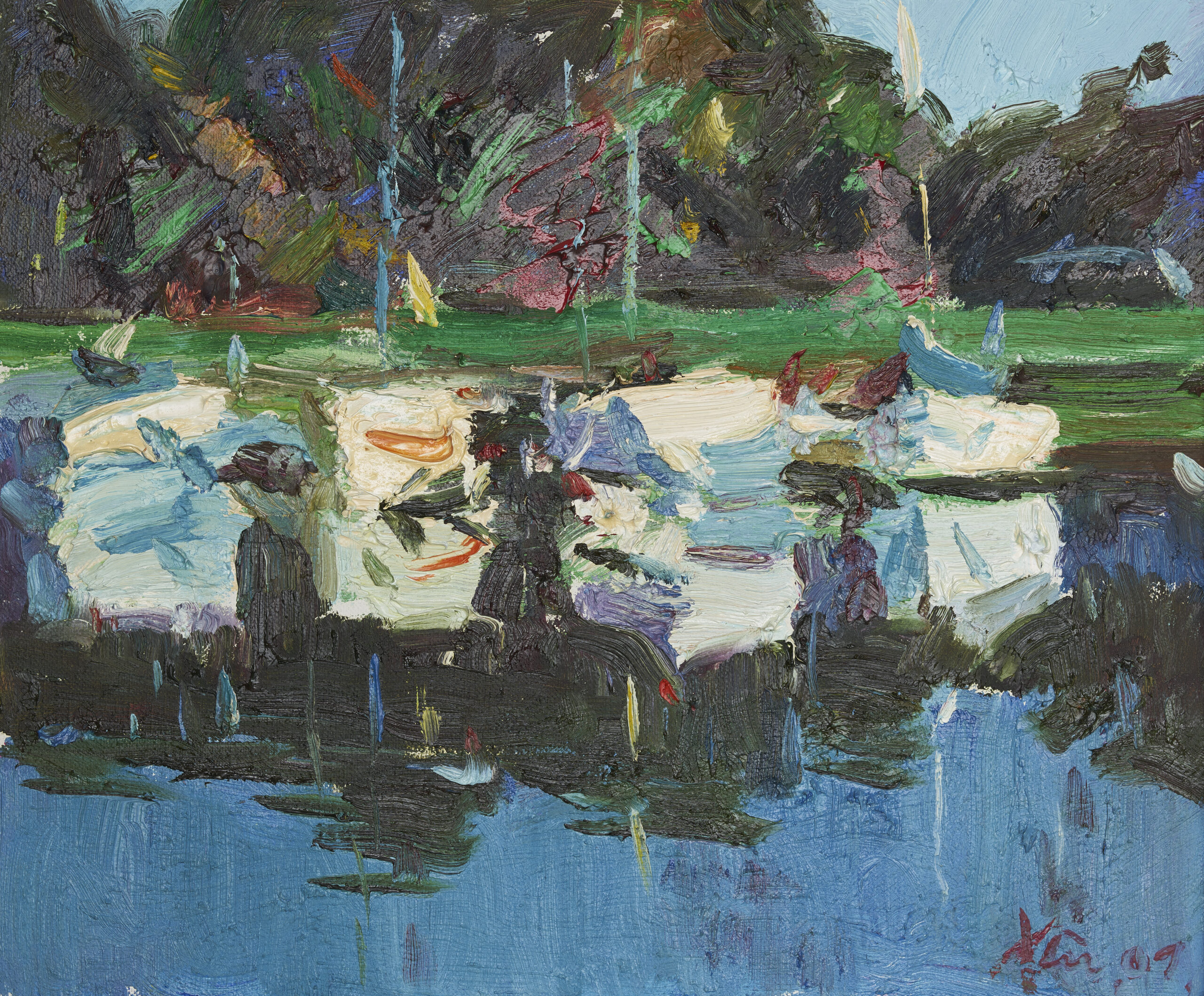
White Boats
2006
Oil on canvas
51 x 61 cm
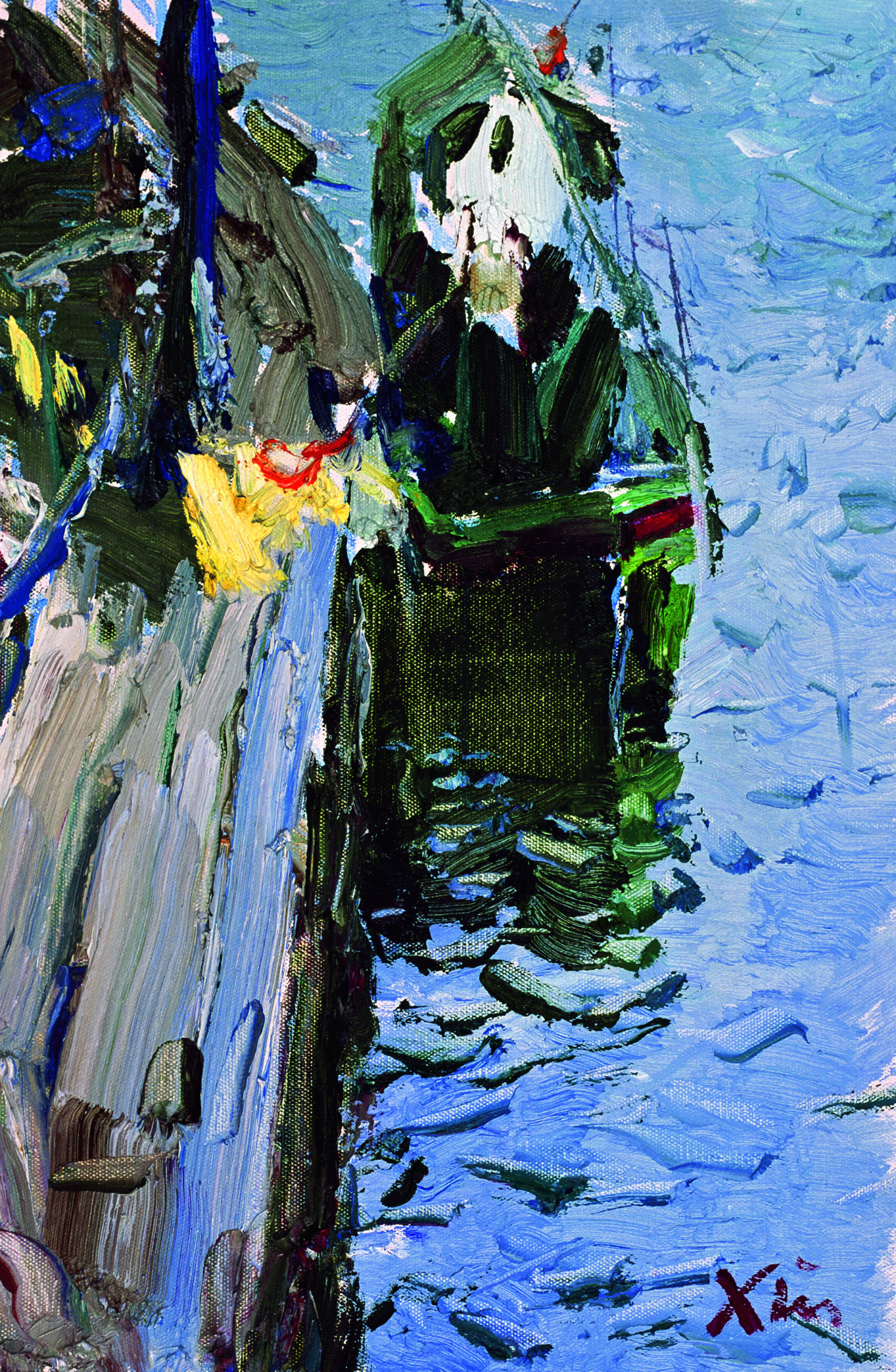
Early Morning Light
2012
60 x 40 cm
Oil on canvas
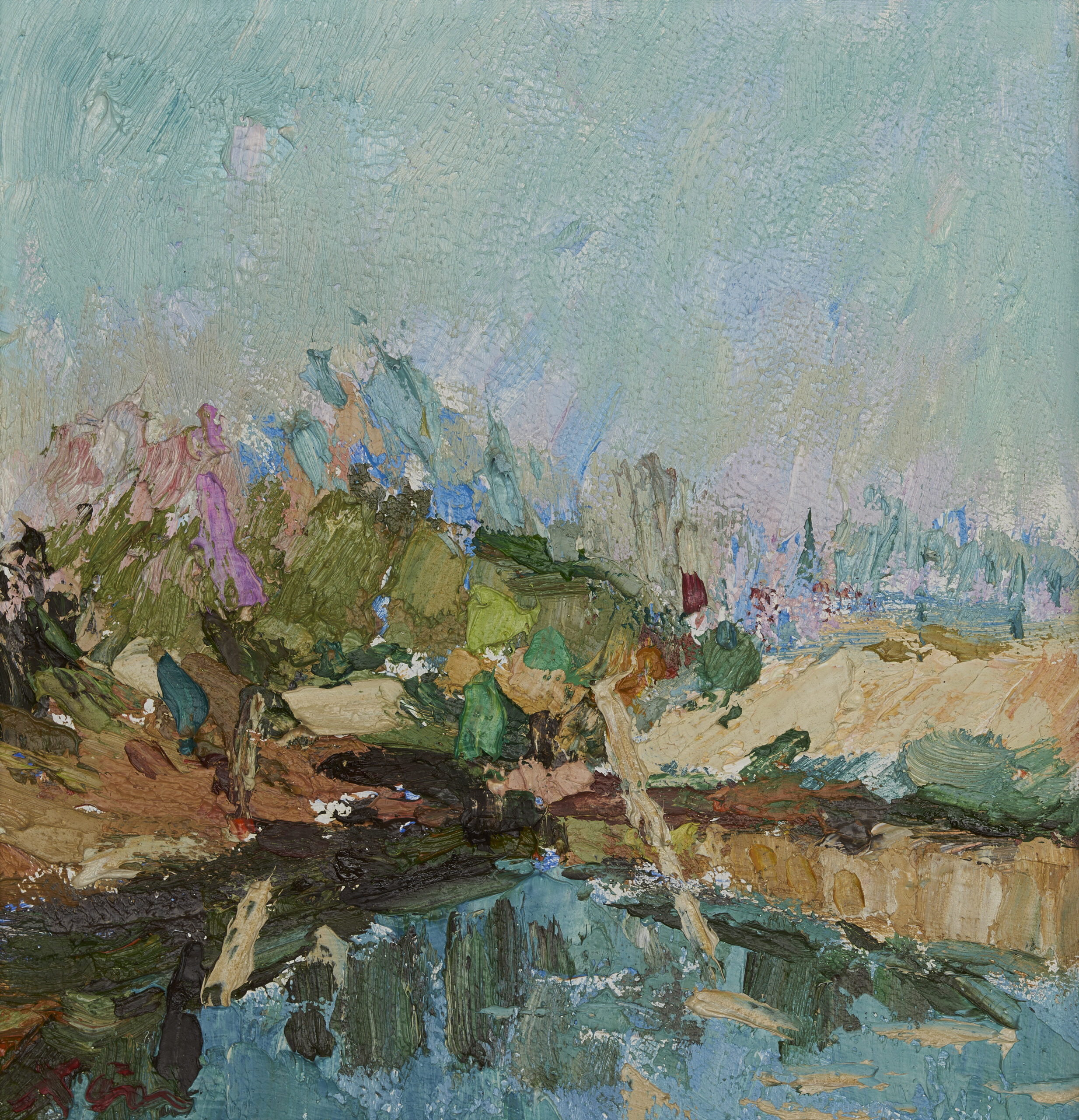
Riotous Spring
2011
Oil on canvas
22 x 21 cm
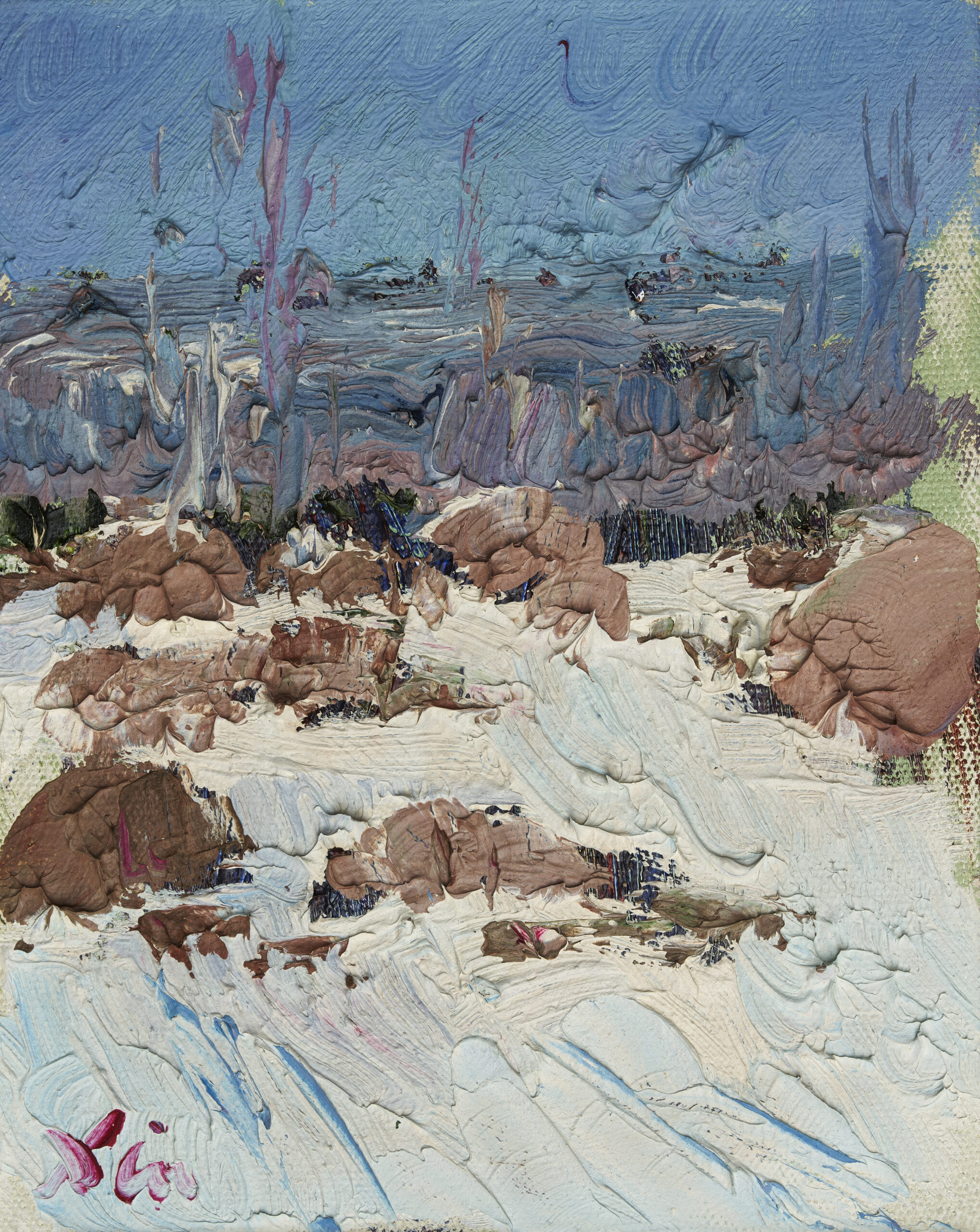
Snow in Chang’an No. 8
2007
Oil on canvas
25 x 20 cm
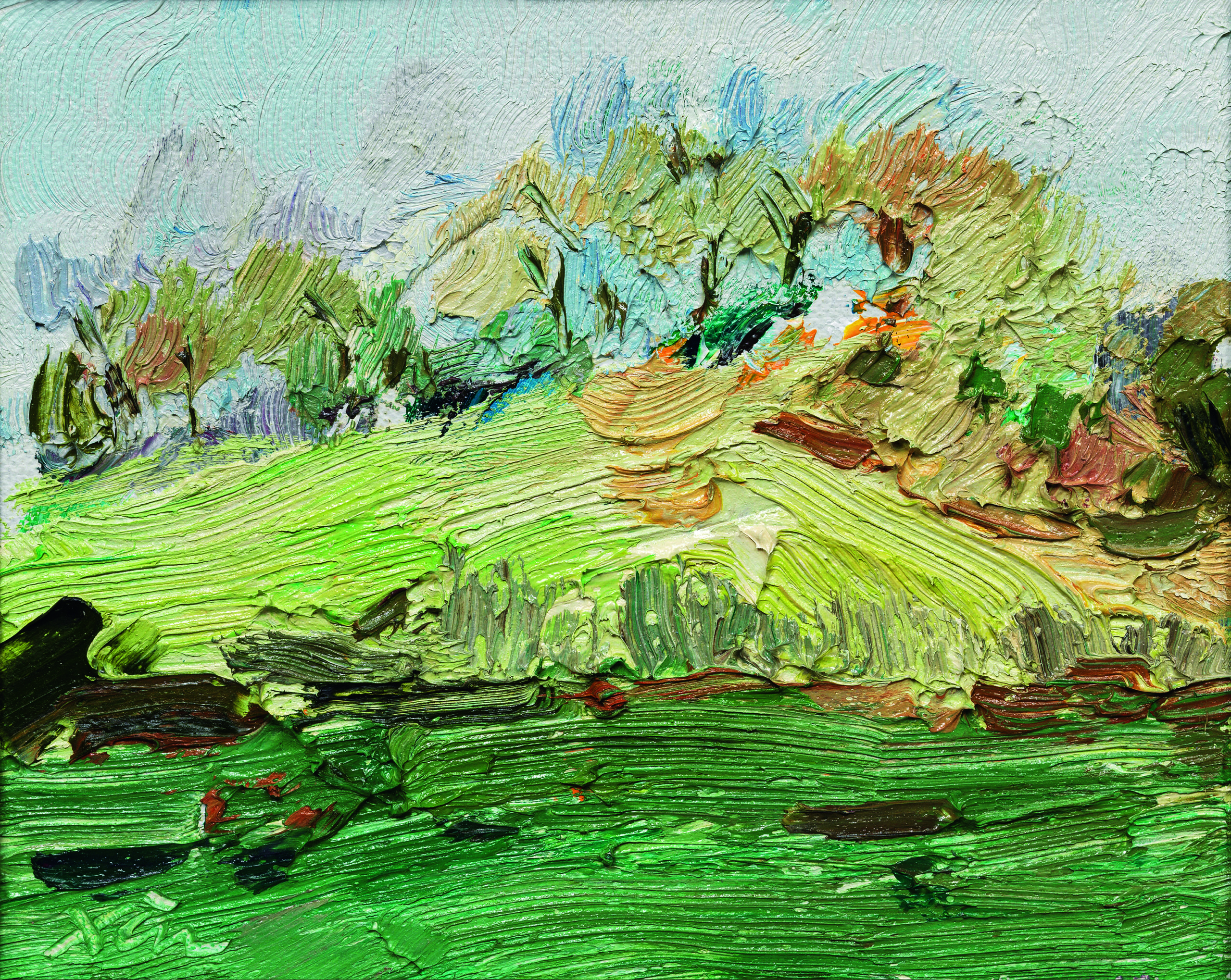
Early Spring
2006
Oil on canvas
20 x 25 cm
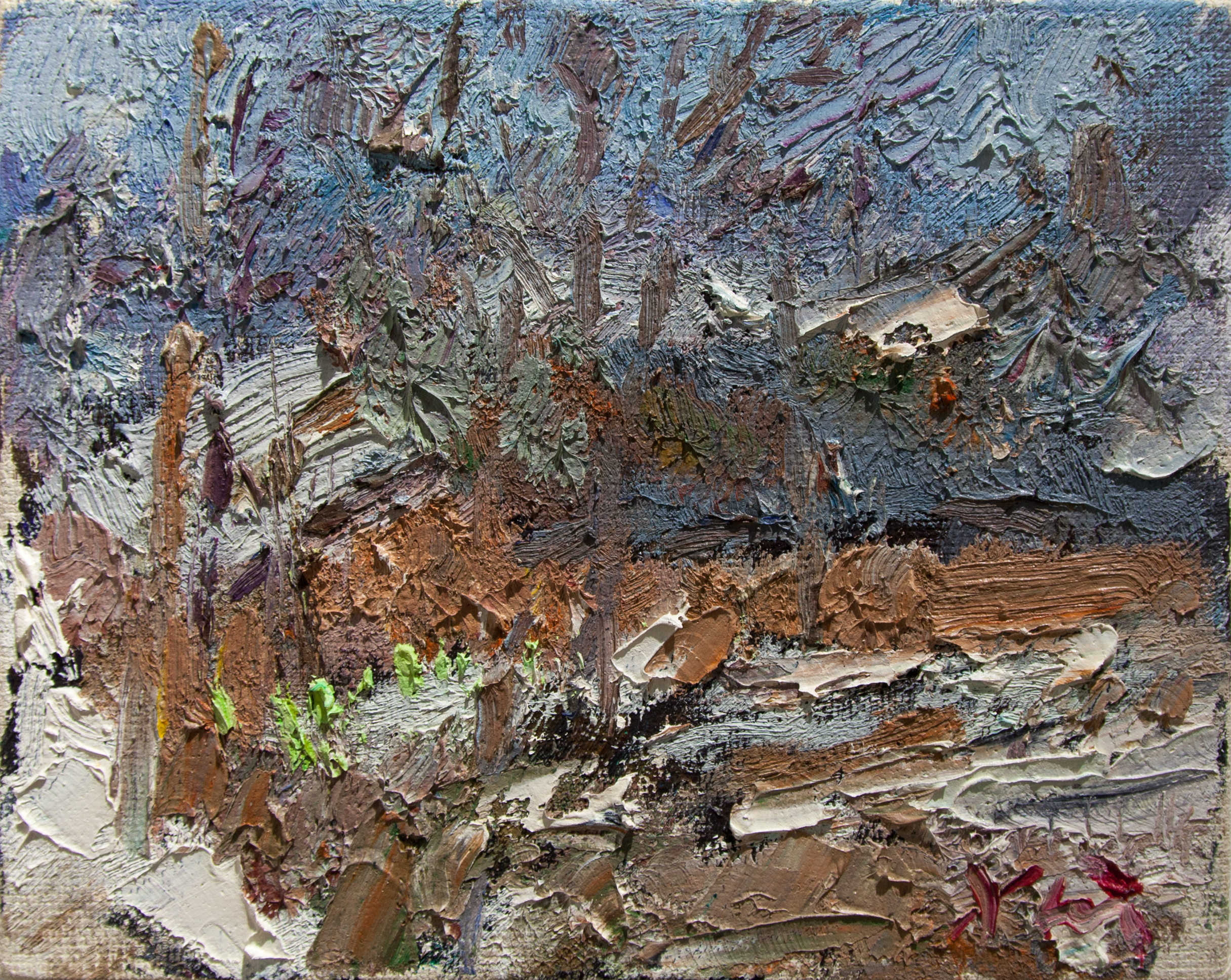
Snow in Chang’an No. 3
2007
Oil on canvas
20 x 25 cm
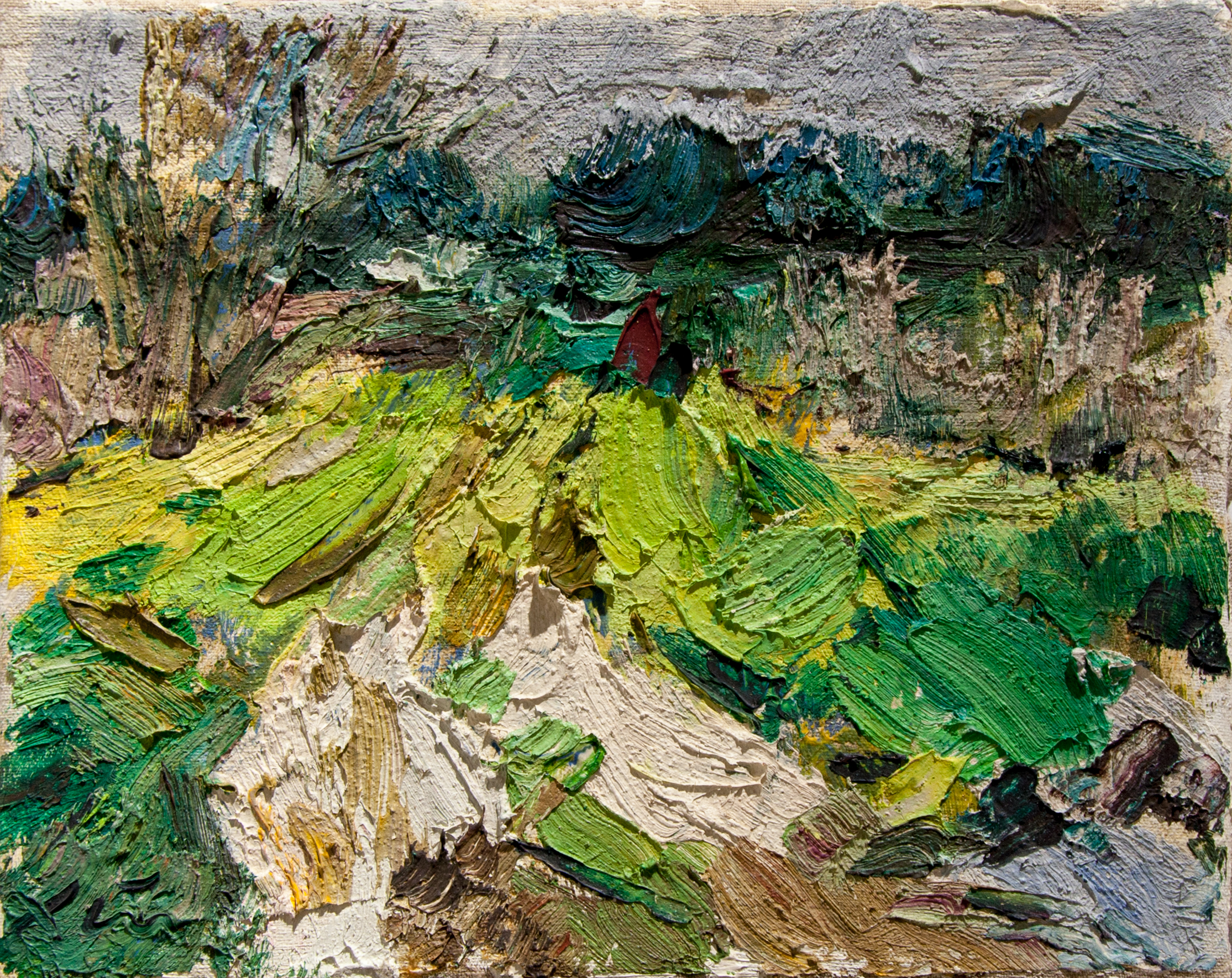
Petaluma Spring
2005
Oil on canvas
20 x 25 cm
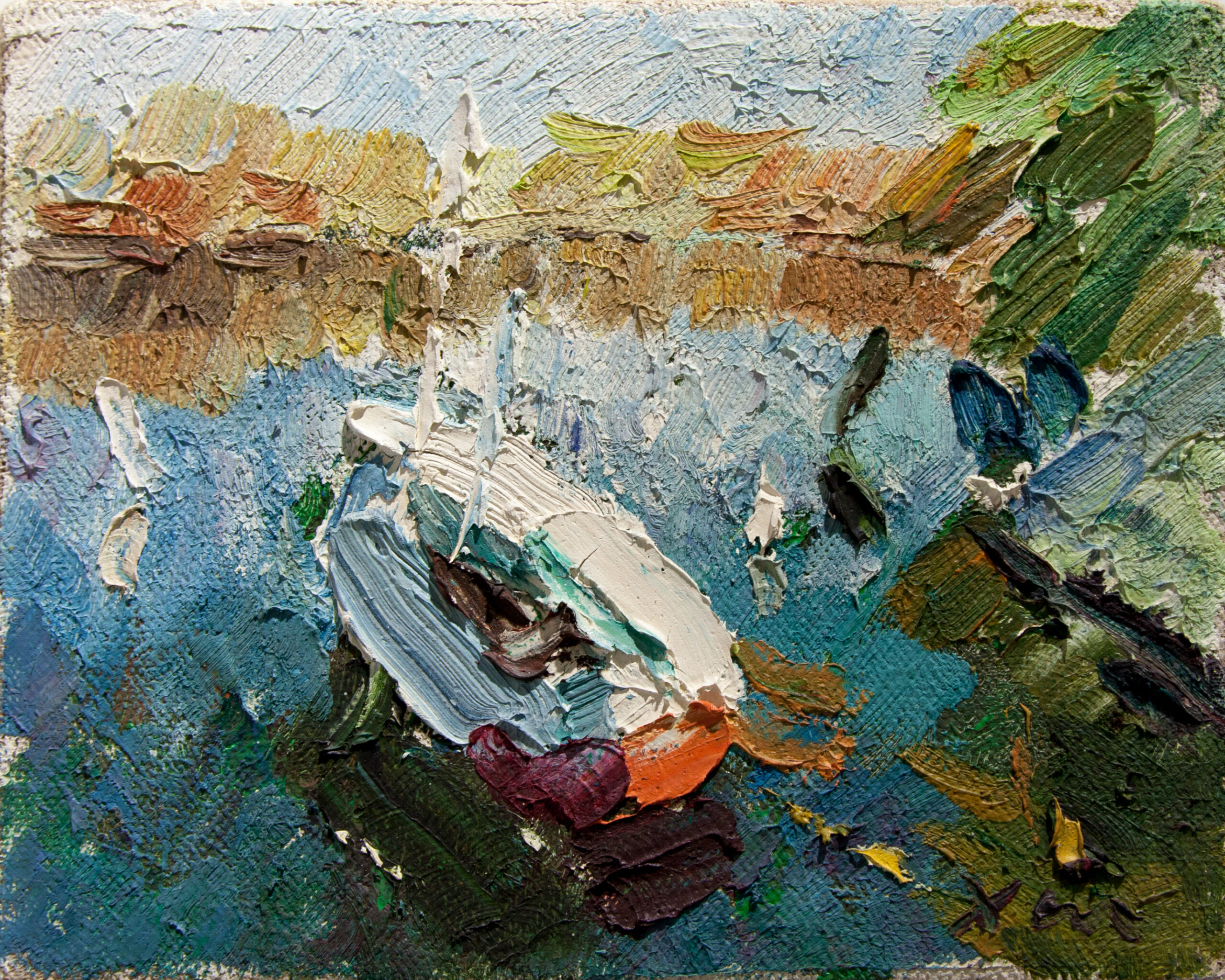
Michigan Scene
2010
Oil on canvas
20 x 25 cm
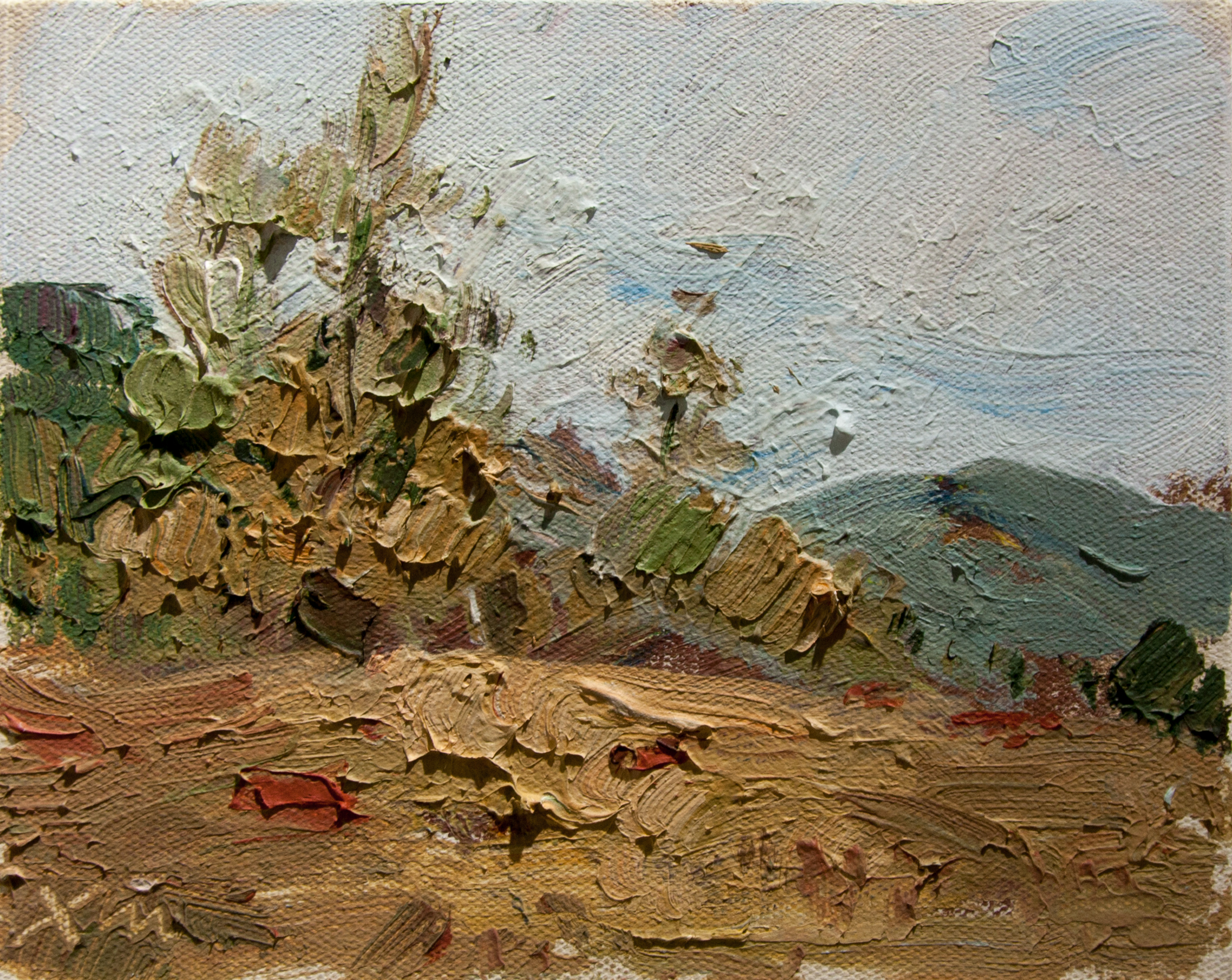
Sunset
2008
Oil on canvas
20 x 25 cm
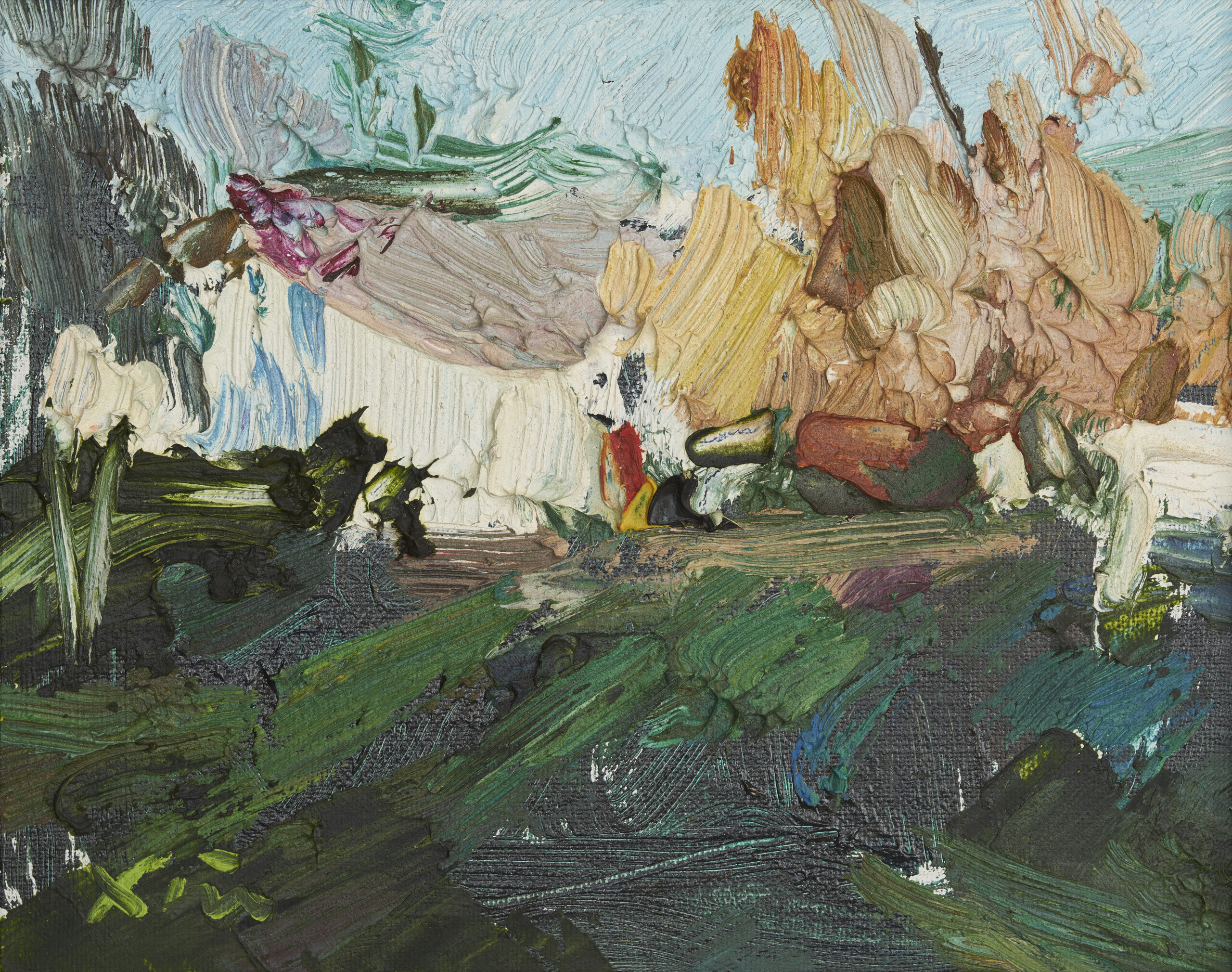
Autumn
2005
Oil on canvas
20 x 25 cm
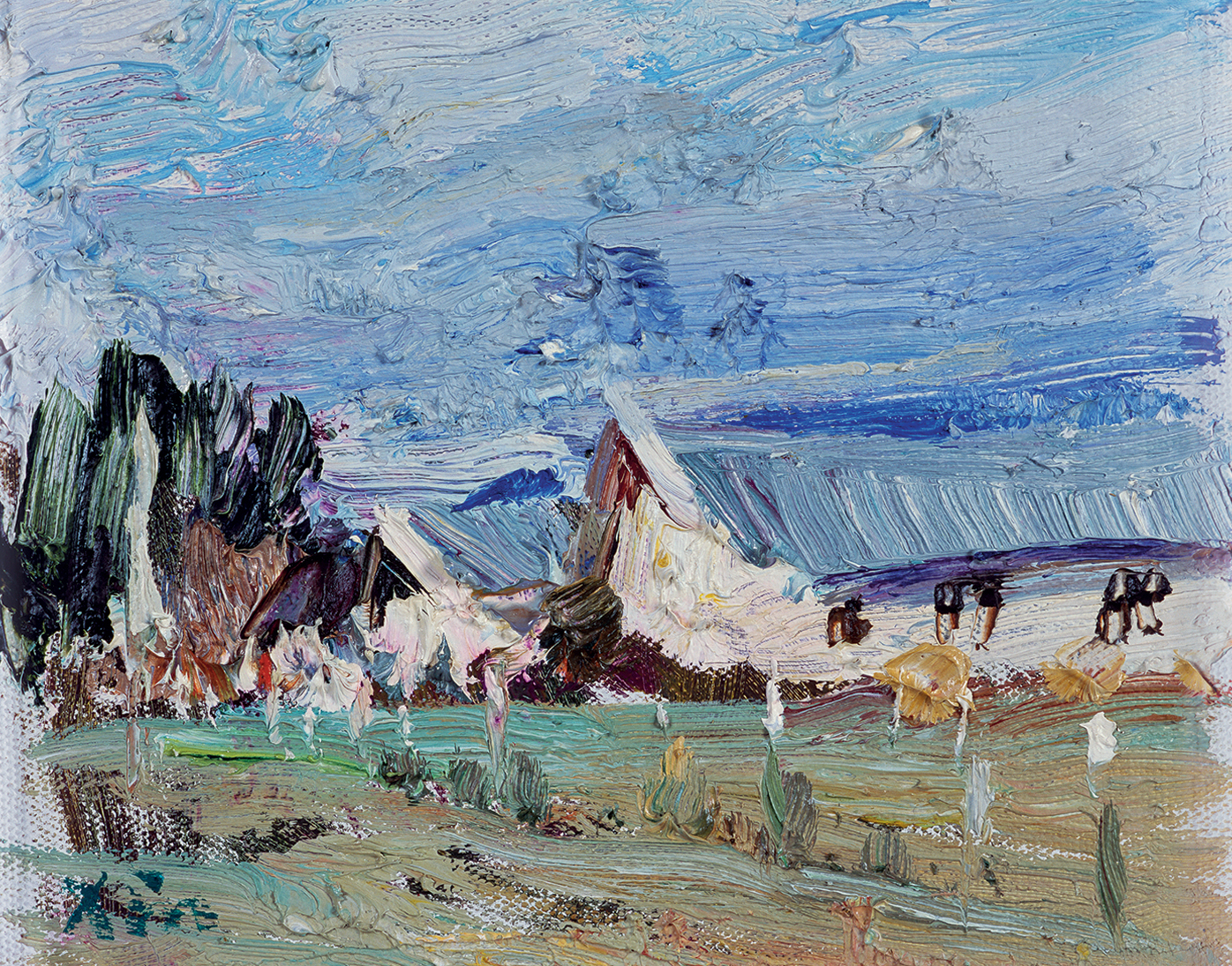
Glimmer of Dawn
2006
Oil on canvas
20 x 25 cm
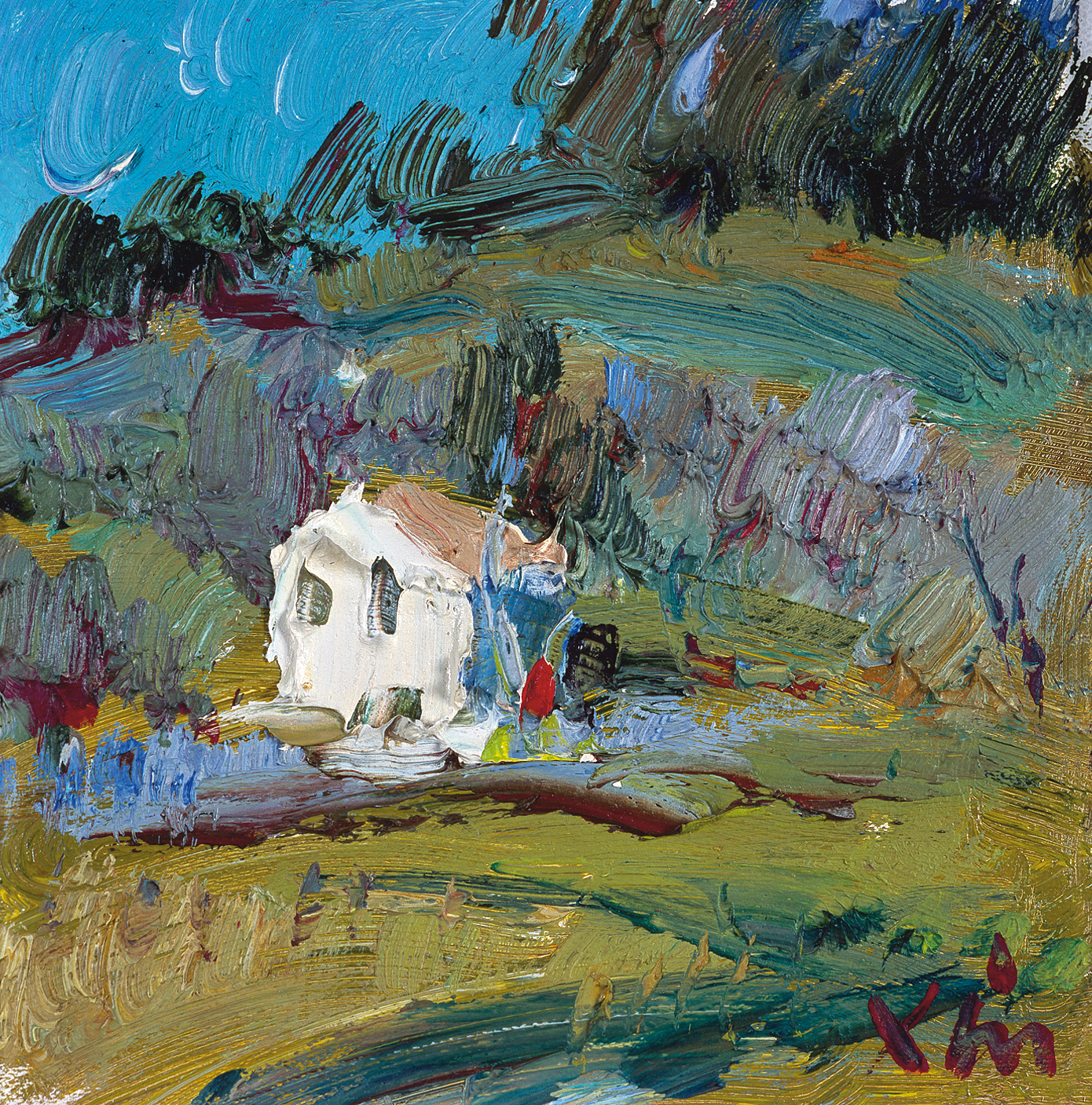
Petaluma
2006
Oil on canvas
25 x 25
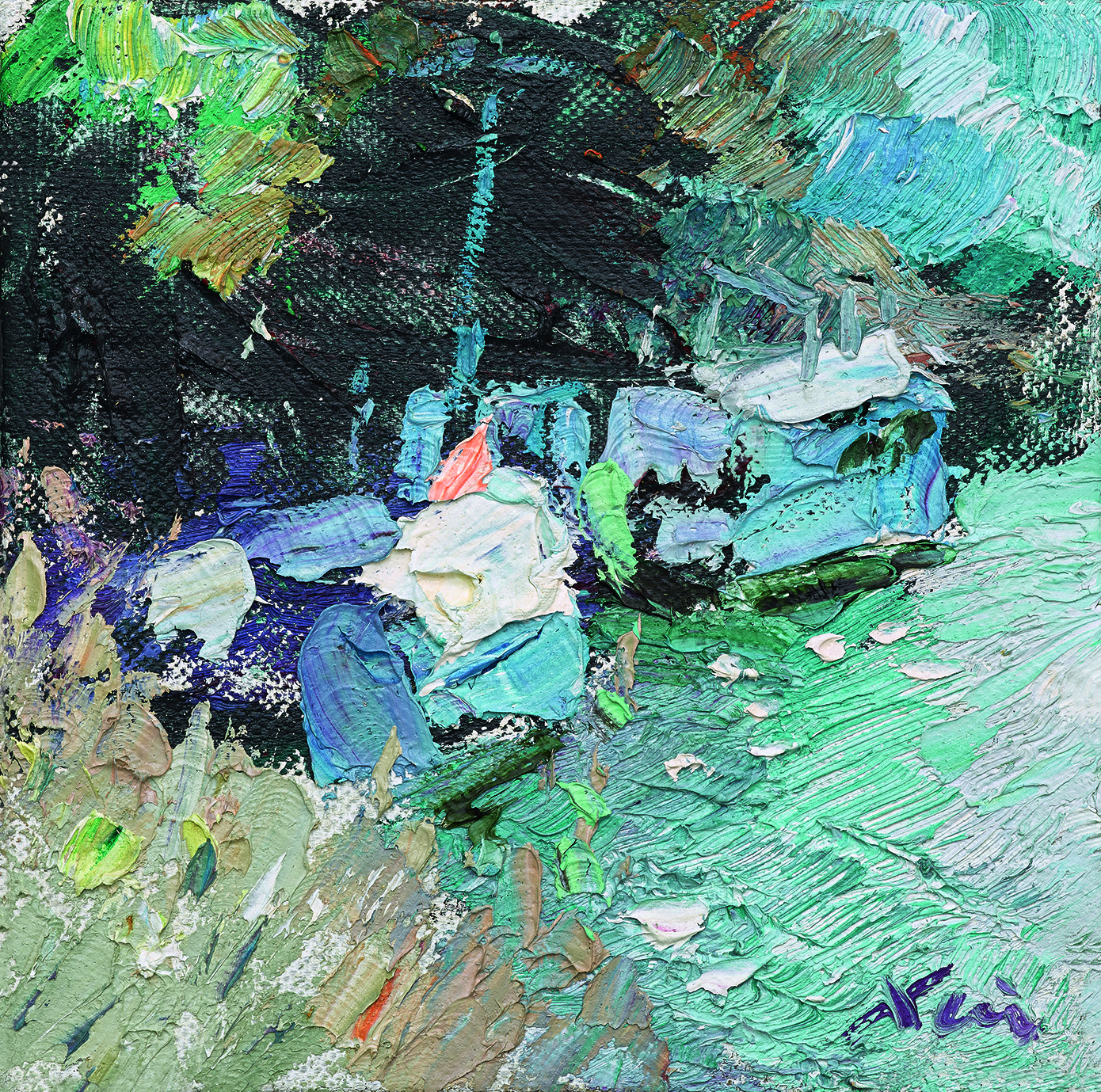
Lake Tahoe
2007
Oil on canvas
25 x 25 cm
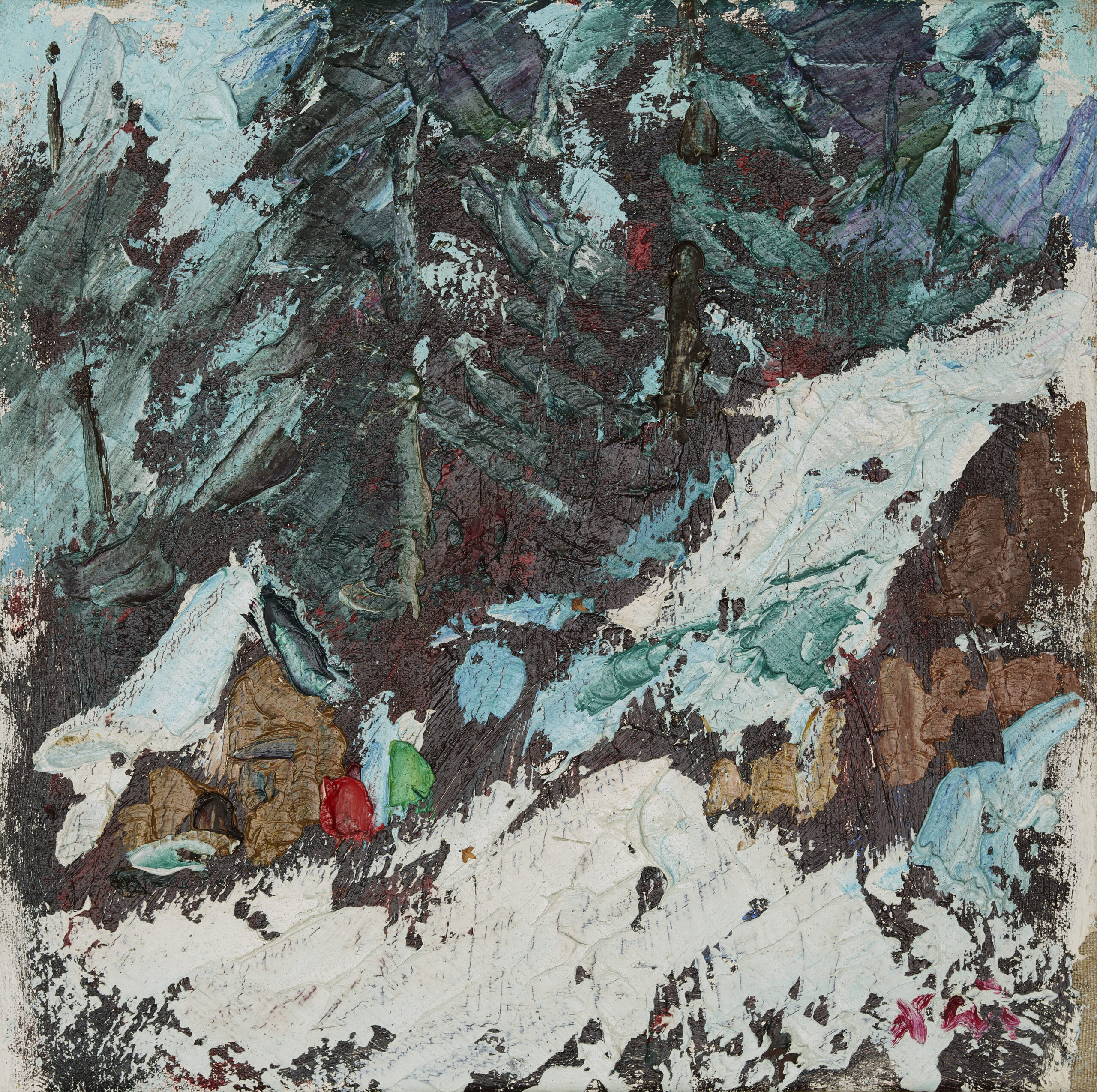
California Snow
2005
Oil on canvas
24 x 25 cm
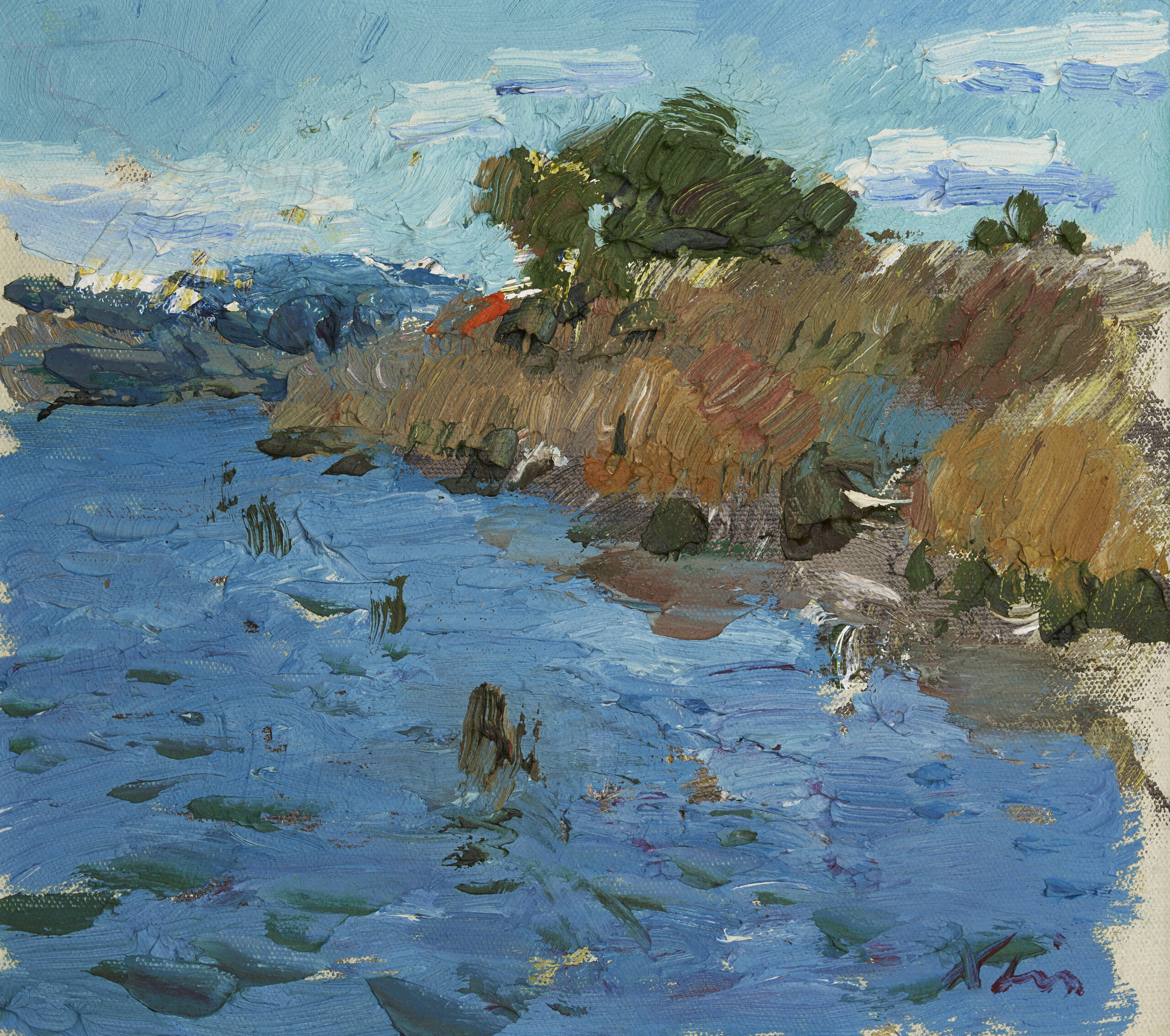
Passing by Seattle
2008
Oil on canvas
32 x 36 cm
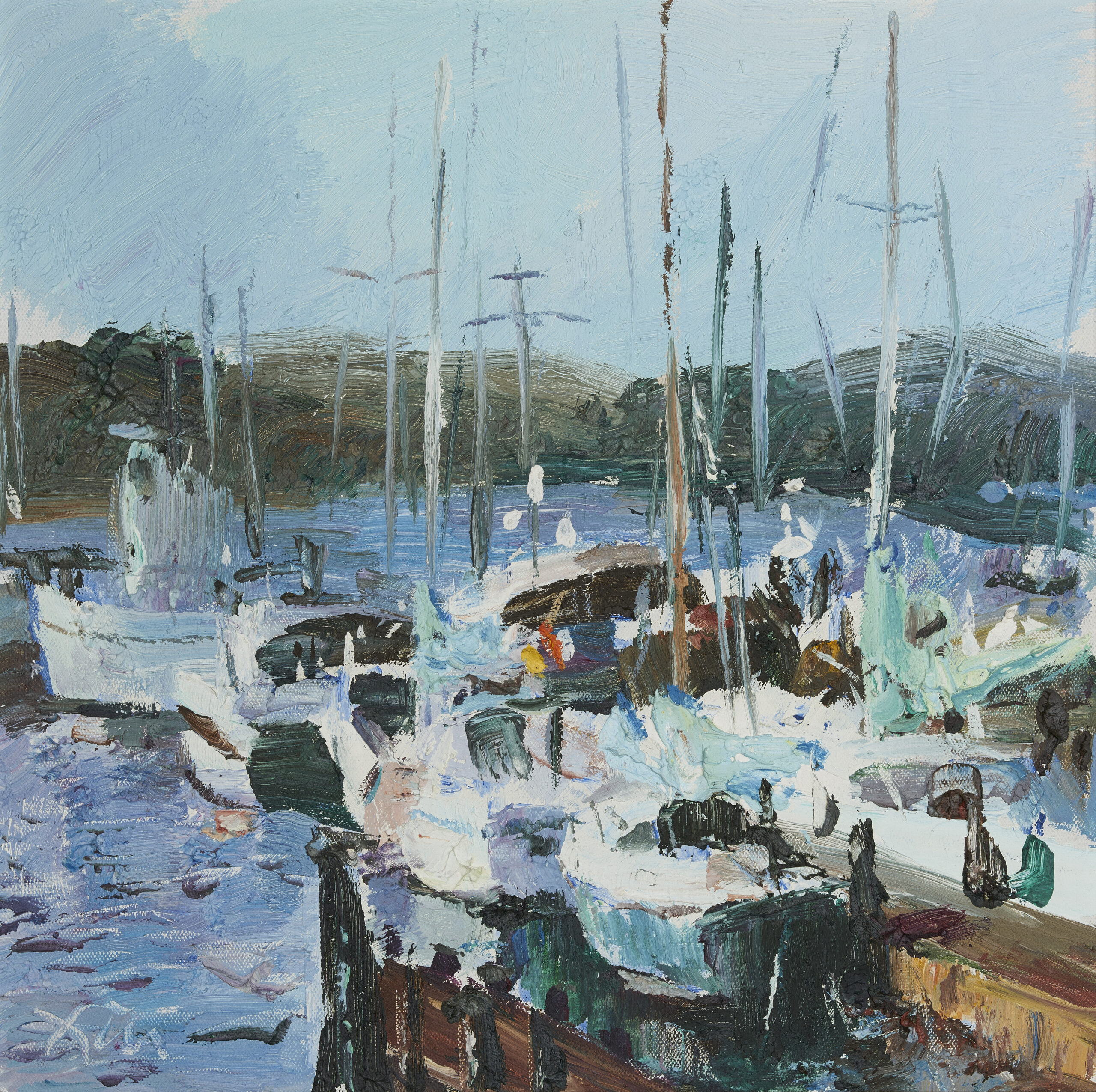
Small Pier
2012
Oil on canvas
50 x 50 cm
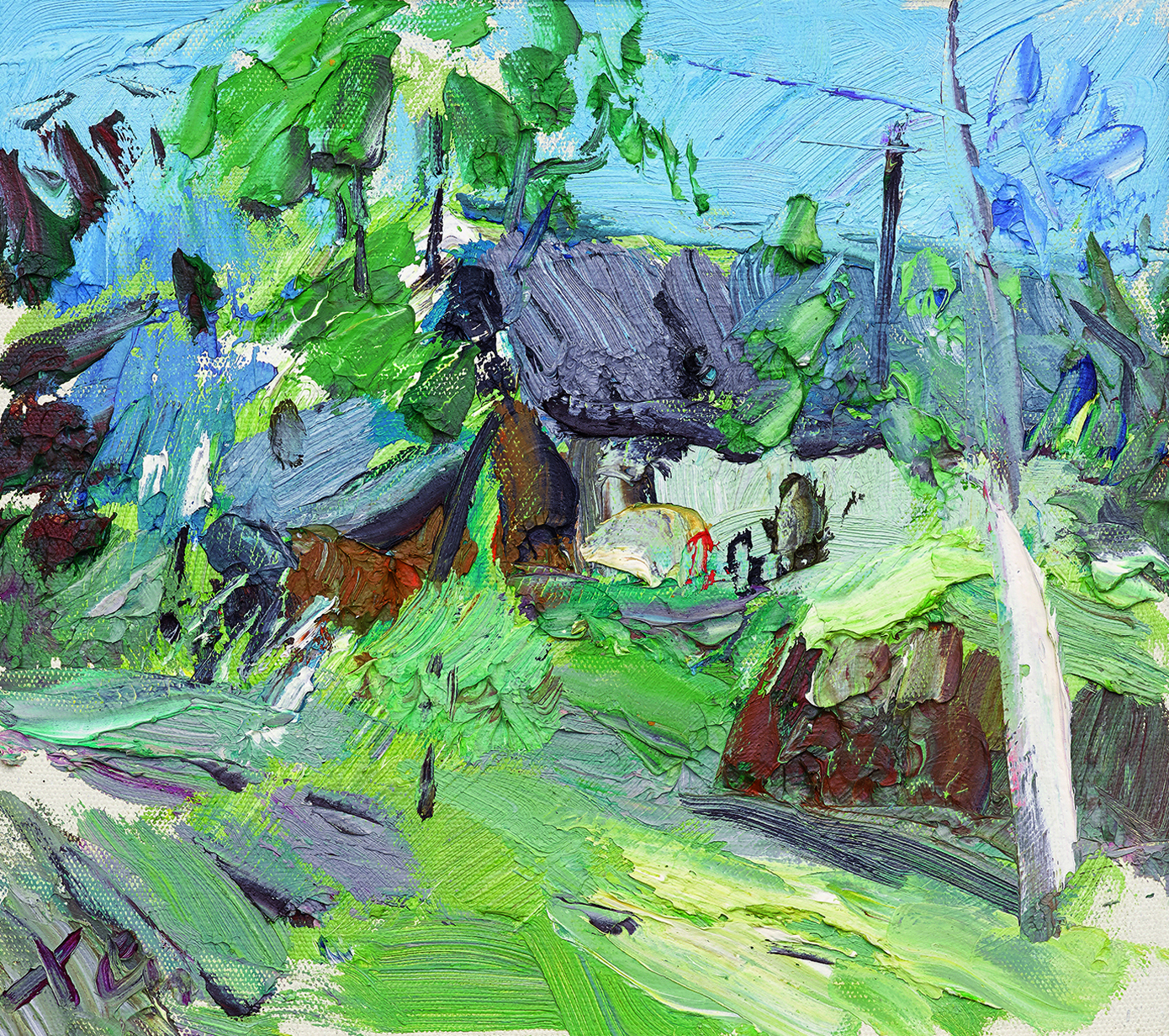
Impression of Heye Town
2008
Oil on canvas
32 x 36 cm
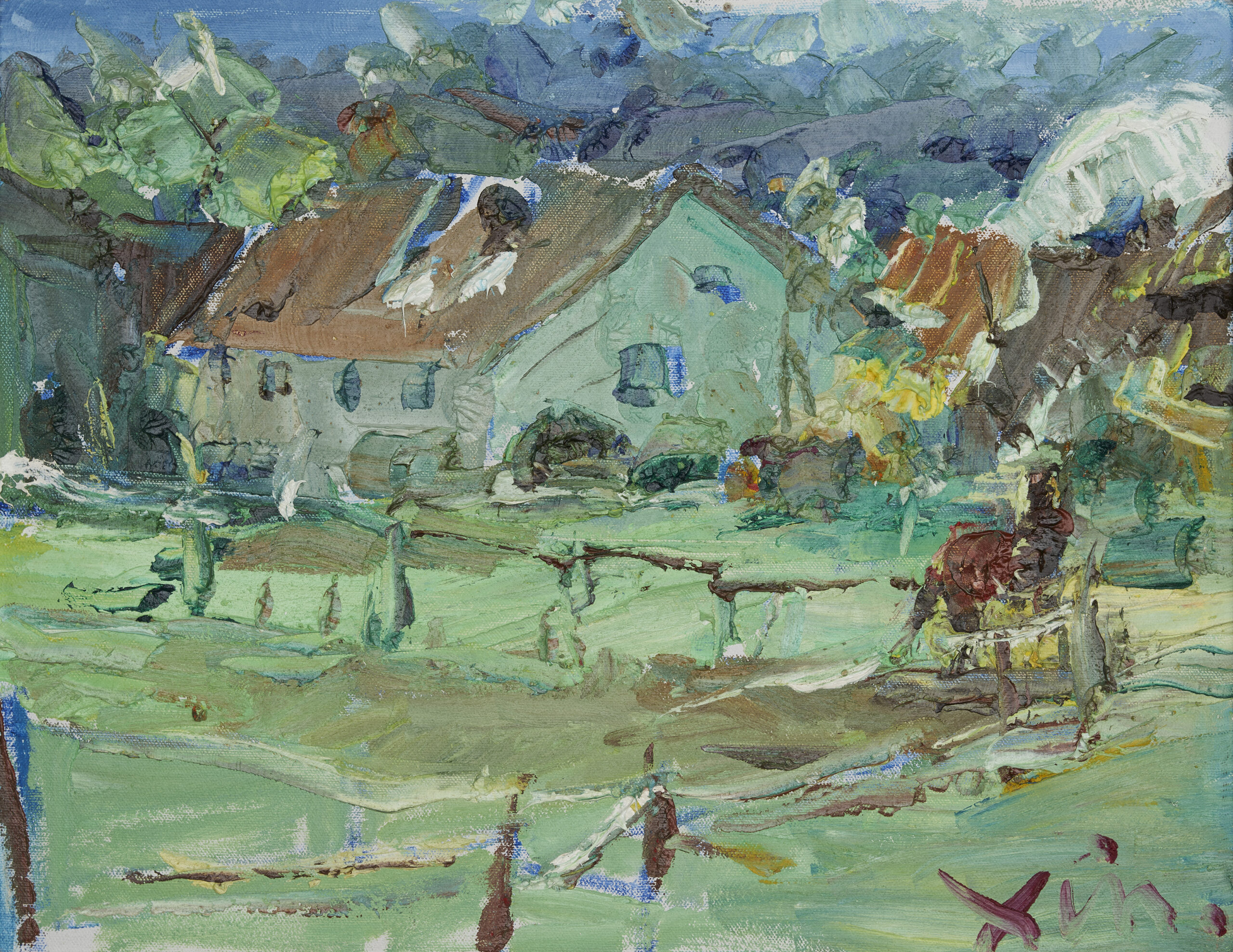
Ranch House
2013
Oil on canvas
35 x 45 cm